Best Time of Year to Do a Home Renovation (By Project Type)
The best time to do a home renovation depends on what you’re building, not on a single season that works for everything. Weather, contractor availability, and regional climate all affect timing differently depending on whether your project is interior or exterior — and the windows that offer the best conditions for one rarely offer the best conditions for the other.
How Weather and Contractor Demand Shift by Season
Contractor availability and weather suitability move in opposite directions across the calendar. Peak weather conditions for exterior work line up with peak contractor demand and the least scheduling flexibility. The windows with the best contractor availability are the same ones where exterior work is least viable. Understanding that tension is what makes the timing breakdown below useful.
Booking lead time is also a real constraint. The windows that look most attractive on paper — late spring and summer — require the most advance planning to access. If you identify your target window without accounting for lead time, you may find it’s already booked.
Late Winter (January–February): Interior Remodels, Kitchen and Bathroom Updates
Contractor demand is at its lowest point of the year, making this the easiest window to book skilled trades and negotiate pricing. This period works best for interior work where weather isn’t a factor.
Early Spring (March–April): Interior Finishing, Pre-Exterior Planning
Demand starts to climb but hasn’t peaked yet, so scheduling flexibility is still good. This window works well for finishing interior projects or locking in contractor bookings for upcoming exterior work. In mild climates, light exterior prep can begin by late April.
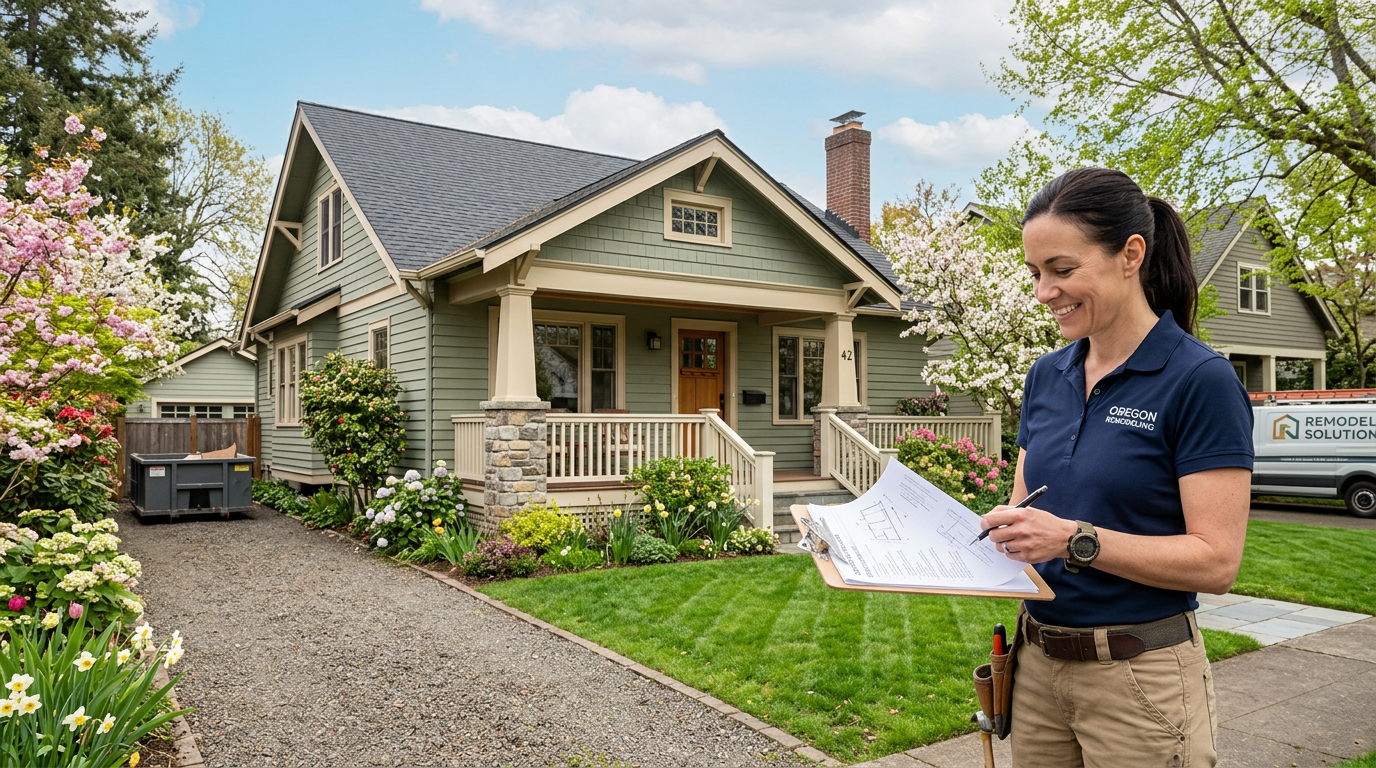
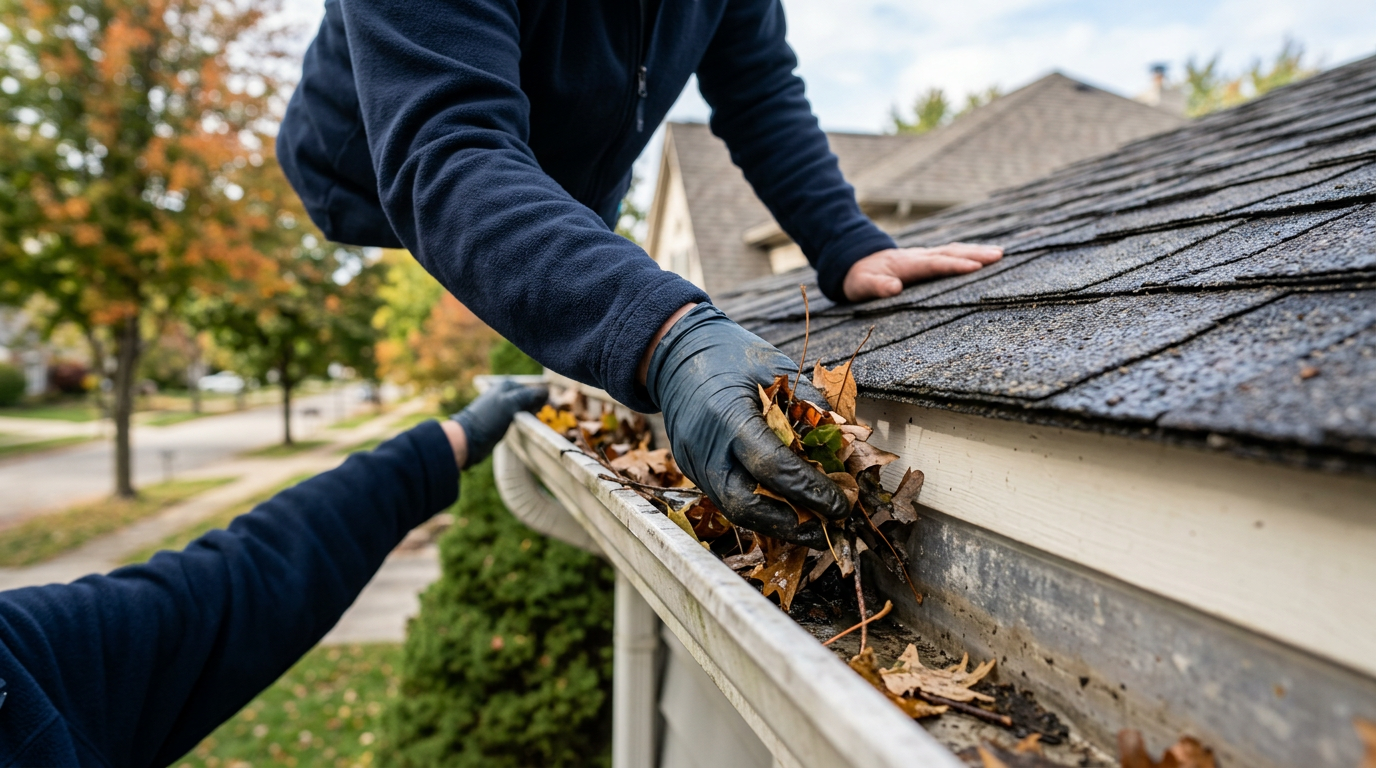
Late Spring (May–June): Exterior Projects, Roofing, Siding, Decking
Stable temperatures and low precipitation make this one of the most reliable windows for exterior work. Contractor availability tightens fast as demand peaks, so booking in early spring is important if you want this window. If you’re planning a roofing project, it’s worth reviewing questions to ask a roofer before hiring so you’re ready to vet contractors as soon as you start reaching out.
Summer (July–August): Additions, Foundation Work, Large Exterior Projects
Dry conditions and long daylight hours support complex exterior and structural work. This is peak demand season, so expect higher pricing and limited contractor availability unless you book 2–3 months out or more.
Early Fall (September–October): Exterior Work, Landscaping, Roofing
Weather stays favorable in most regions, and contractor demand eases slightly from the summer peak. This is a solid secondary window for exterior projects, especially in northern climates where the viable season closes by November.
Late Fall (November): Interior Renovations, Painting, Flooring
Exterior work becomes weather-dependent and unreliable in most regions, but interior projects are fully viable. Contractor availability improves as outdoor project demand drops, and this window can offer better scheduling flexibility than summer.
Winter (December): Interior Projects in Non-Urgent Timelines
This is the slowest period for contractors, which can mean faster scheduling and more competitive pricing for interior work. Holiday schedules may break up project continuity, so this window works best for projects with flexible timelines rather than hard deadlines.
How Project Type, Cost, and Duration Should Shape Your Timing
The right window depends on what you’re optimizing for. Three factors tend to drive most timing decisions: project type, budget, and total duration.
If your project is exterior-only, weather narrows your viable windows more than contractor demand does. Late spring through early fall is the practical range in most climates. In colder or wetter regions, that window compresses to May through September, making late spring the stronger choice over summer if contractor availability is a concern.
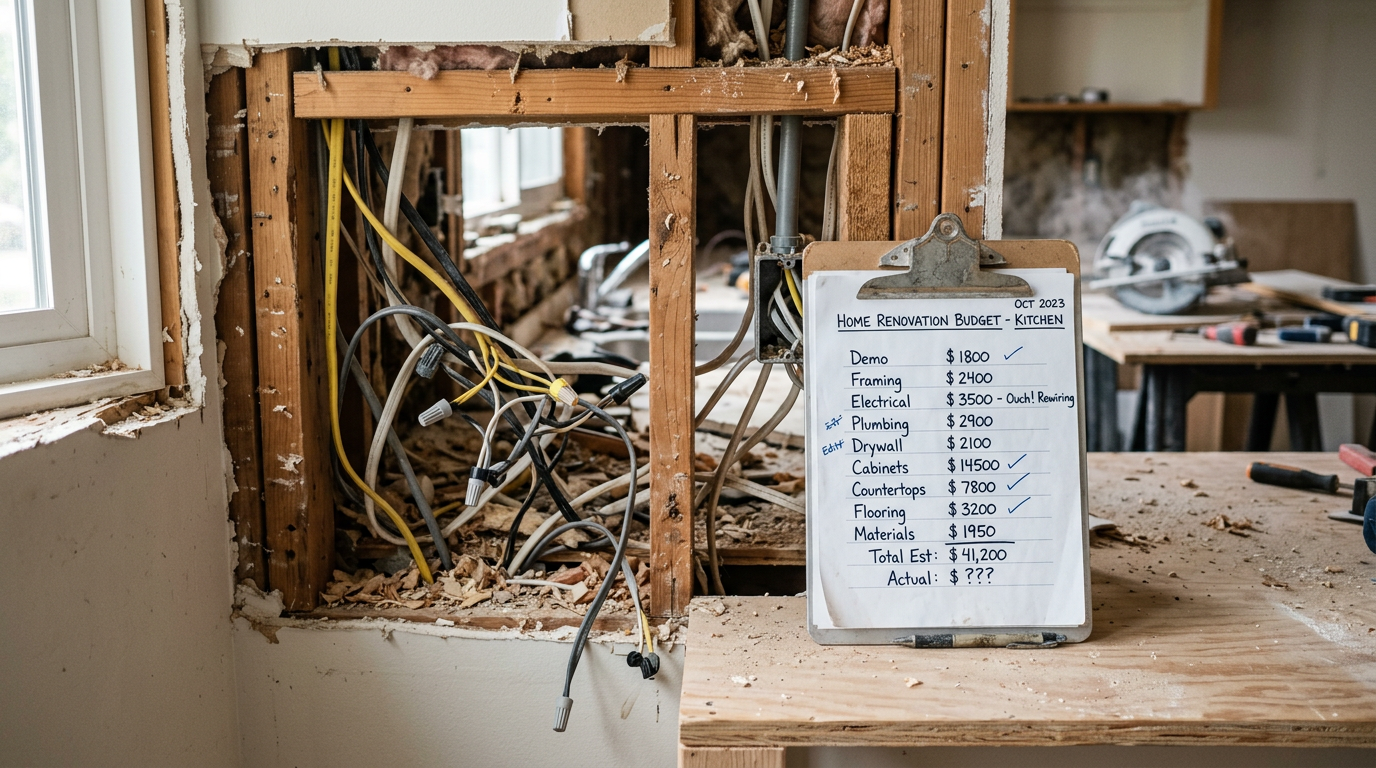
If saving money is the main goal, late winter and early spring beat every other window. Contractor demand is lowest, pricing flexibility is highest, and scheduling lead time is shortest. This advantage disappears by late spring as demand climbs toward the summer peak — and it applies mainly to interior projects, since exterior work in these months is weather-constrained in most regions. Understanding what drives home renovation costs and how to budget for them can help you take full advantage of the pricing flexibility these off-peak windows offer.
If your project is large enough that duration matters, starting in summer rather than late spring risks pushing completion into fall. For projects expected to take 6–10 weeks or more, a late spring start in May gives you a buffer before weather or demand constraints close in. Contractor schedules during peak season are compressed, material lead times can stretch, and any delay in a northern climate can mean finishing in conditions that compromise work quality or force delays.
How to Match This Guidance to Your Renovation
The timing breakdown above covers the full calendar, but how you use it depends on your specific situation. If you’re planning an exterior renovation, identify the viable weather window for your region first, then work backward to set a booking lead time. If you’re trying to reduce costs, the late winter and early spring entries are where pricing flexibility is highest. If you’re booking a contractor for a large remodel, the late spring and summer entries make clear that peak-season bookings require at least 2–3 months of advance planning. If you’re in a region with extreme seasonal weather, the regional notes throughout the breakdown flag where standard timing shifts for colder or wetter climates. Before committing to any contractor, it’s also worth knowing the key questions to ask a contractor before hiring to protect yourself regardless of the season.
Match Your Project Type to the Right Seasonal Window
Exterior work follows weather windows; interior work follows contractor demand. The most favorable windows for each fill up first, so lead time is the variable most homeowners underestimate. Identify your project type, determine the viable seasonal window for your climate, and book accordingly — 2–3 months out for any peak-season work. For large exterior projects in northern climates, a late spring start in May is the most reliable way to protect both schedule and work quality.