Roof Replacement Cost: 2025 Pricing Guide With Averages by Material and Size
Most homeowners replacing a roof in 2025 will spend between $11,000 and $13,000 — but the full range runs from under $6,000 to well above $47,000 depending on material choice, roof size, and project complexity. Understanding what drives that spread is the difference between knowing whether a contractor’s quote is reasonable and simply hoping it is.
What a New Roof Costs by Material and Home Size
Material selection is the single biggest factor in total cost, so it’s the right place to start. The table below shows installed cost per square foot and typical total project ranges for the most common roofing materials.
Material
Installed Cost (per sq ft)
Typical Project Total
Asphalt shingles (3-tab)
$3.50–$5.50
$5,800–$12,000
Architectural asphalt shingles
$4.50–$7.00
$8,000–$16,000
Metal roofing
$7.00–$14.00
$12,000–$28,000
Tile roofing (clay or concrete)
$10.00–$18.00
$18,000–$35,000+
Slate roofing
$15.00–$30.00
$30,000–$47,000+
Seeing per-square-foot pricing alongside total project costs lets you quickly check whether a contractor’s quote is in range for your specific roof size — neither figure alone gives you that check.
Roof size compounds every dollar-per-square-foot difference. At $5.00 per square foot for mid-grade asphalt, a small home with 1,000–1,500 sq ft of roof area runs $7,500–$10,000 installed. An average home at 1,700–2,200 sq ft lands at $10,000–$15,000, which is the range most national averages reflect. A large home at 2,500–3,500 sq ft reaches $14,000–$22,000 with asphalt shingles alone; premium materials push that to $35,000–$47,000 or more.
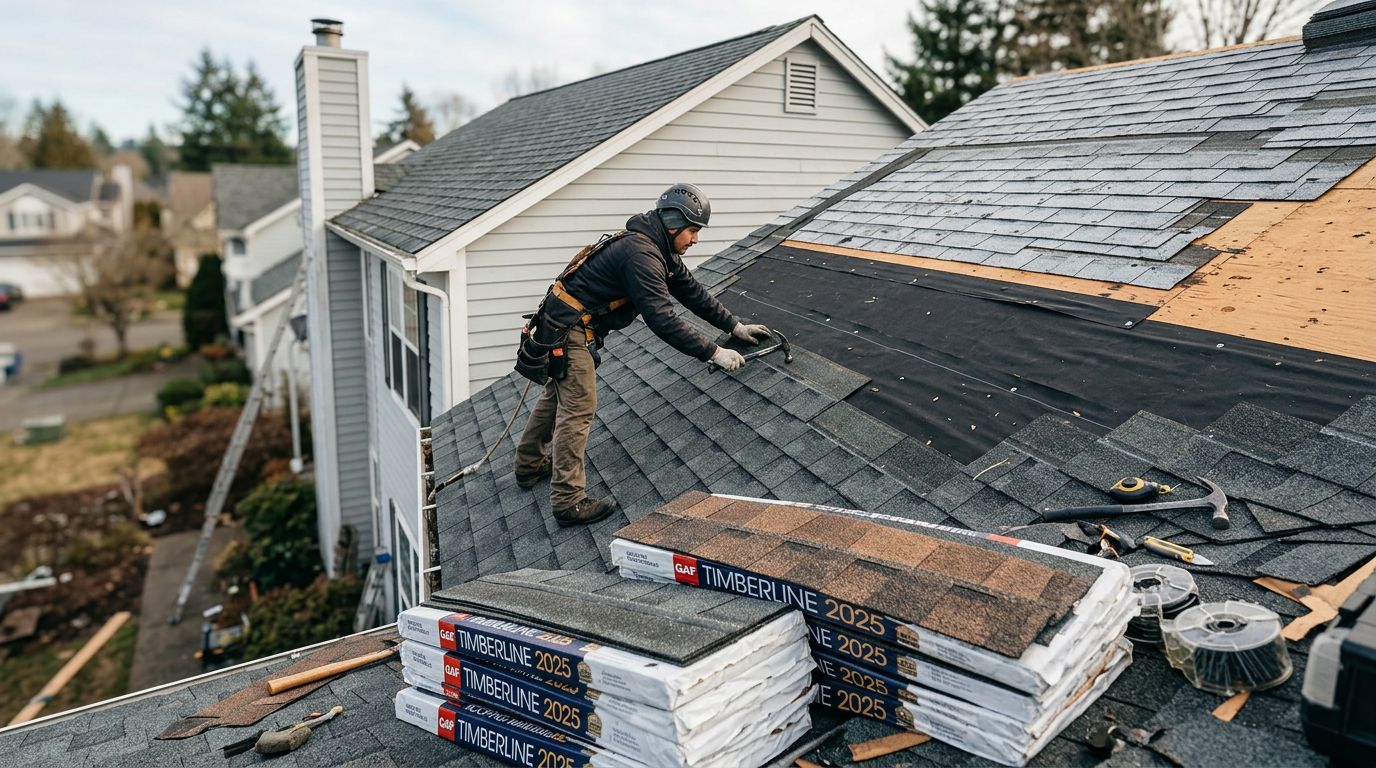
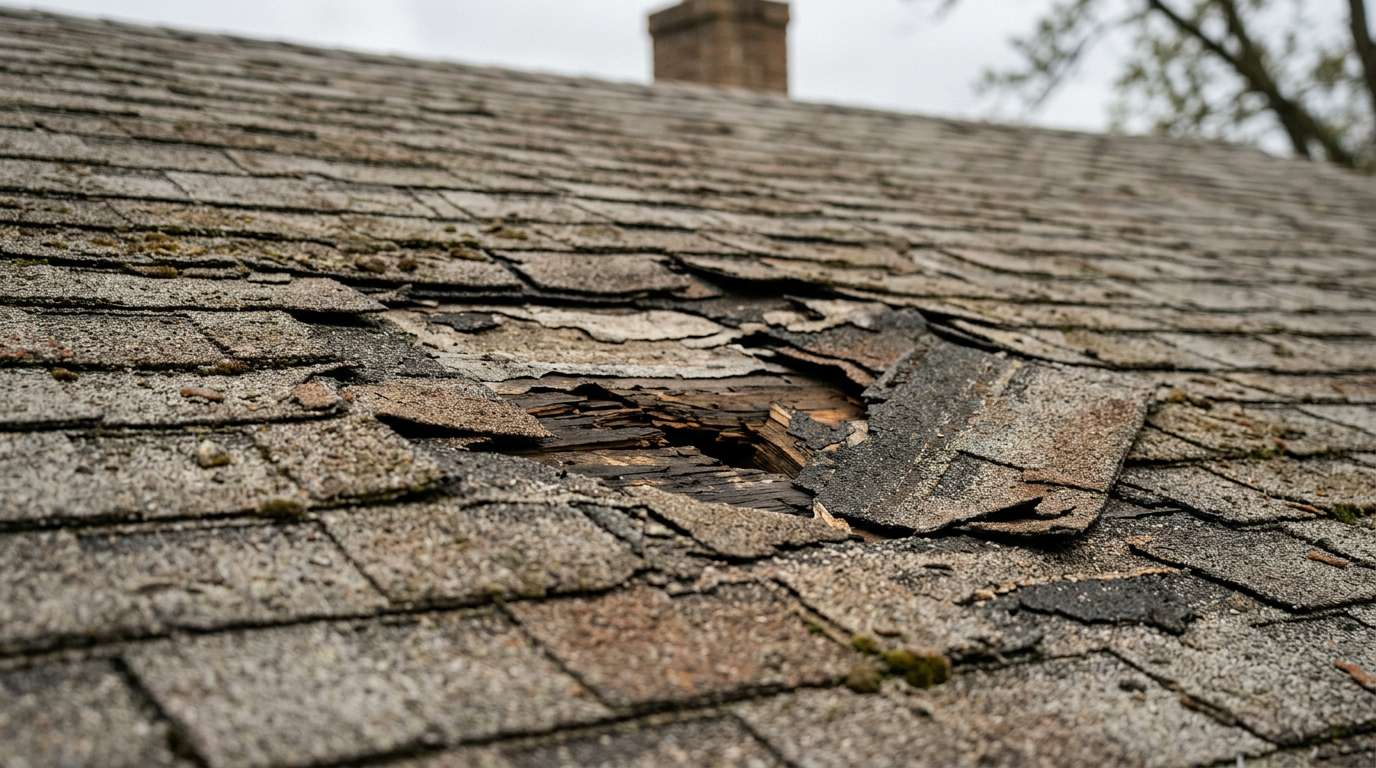
Two line items apply regardless of material choice and can significantly affect the final total. Tear-off and disposal of an existing roof adds $1,000–$2,500 to most projects and appears as a line item on nearly every replacement quote. Decking repairs, when needed, add $2.00–$3.00 per square foot on top of the base replacement cost — enough to push a mid-range project several thousand dollars higher. If you’re unsure whether your roof has reached the point where replacement is warranted, reviewing the key warning signs that indicate you need a new roof can help you assess your situation before collecting quotes.
Four Variables That Shift the Final Number
Material and size set the baseline, but four additional factors determine where your specific project lands within any given range.
Roof pitch affects labor cost directly. A low-slope roof (4:12 or less) is faster and safer to work on. A steep-pitch roof (8:12 or higher) requires more labor and safety equipment, which typically adds 20–30% to the base installation cost.
Geographic location can shift the same project by thousands. Labor rates in high-cost metros on the Northeast and West Coast can run $3,000–$6,000 higher than the same job in lower-cost Midwest or Southern markets.
Project complexity matters beyond square footage. A simple gable roof with one or two penetrations costs significantly less to replace than a roof with multiple valleys, dormers, skylights, or chimneys — each feature adds labor time and material waste.
Number of existing shingle layers determines whether a full tear-off is required. If a second layer of shingles is already present, most jurisdictions require complete removal before re-roofing. That adds removal cost that a first-time replacement wouldn’t have.
Where Projects Above $30,000 Come From
The national average of $11,000–$13,000 reflects a mid-sized home with architectural asphalt shingles. Projects above $30,000 follow a predictable pattern: they typically involve large homes, premium materials such as slate or high-end tile, or significant structural repairs uncovered during tear-off — usually some combination of all three. Choosing 3-tab asphalt at $3.50–$5.50 per square foot versus standing seam metal at $12.00–$14.00 per square foot on the same 2,000 sq ft roof produces a cost difference of $17,000 or more before any other variables come into play. For homeowners weighing whether to repair or replace, understanding how to decide between roof repair and full replacement can clarify which option makes the most financial sense given your roof’s age and damage level.
Getting Accurate Quotes: What to Know Before You Call
Material choice, roof size, and the four cost variables above are what you need to understand before collecting contractor quotes — whether you’re planning a replacement, responding to an inspection report, or estimating costs as part of a home sale. Use the per-square-foot ranges to check whether a quote is in line with current market pricing for your material and roof area, then ask contractors to break out tear-off, decking, and installation as separate line items. Your location alone can shift the total by thousands, so regional context matters when comparing quotes from different contractors. Before signing anything, it’s worth knowing the key questions to ask a roofer before hiring to make sure you’re evaluating credentials, warranties, and project terms properly.
Using These Numbers When You Talk to Contractors
Material selection, roof size, and location are the three variables that do the most work in determining your final cost. Tear-off and decking repairs are the line items most likely to push a quote above your initial estimate. Before contacting contractors, know your approximate roof area and the material you’re considering — that’s enough to use the ranges here as a sanity check against any quote you receive.