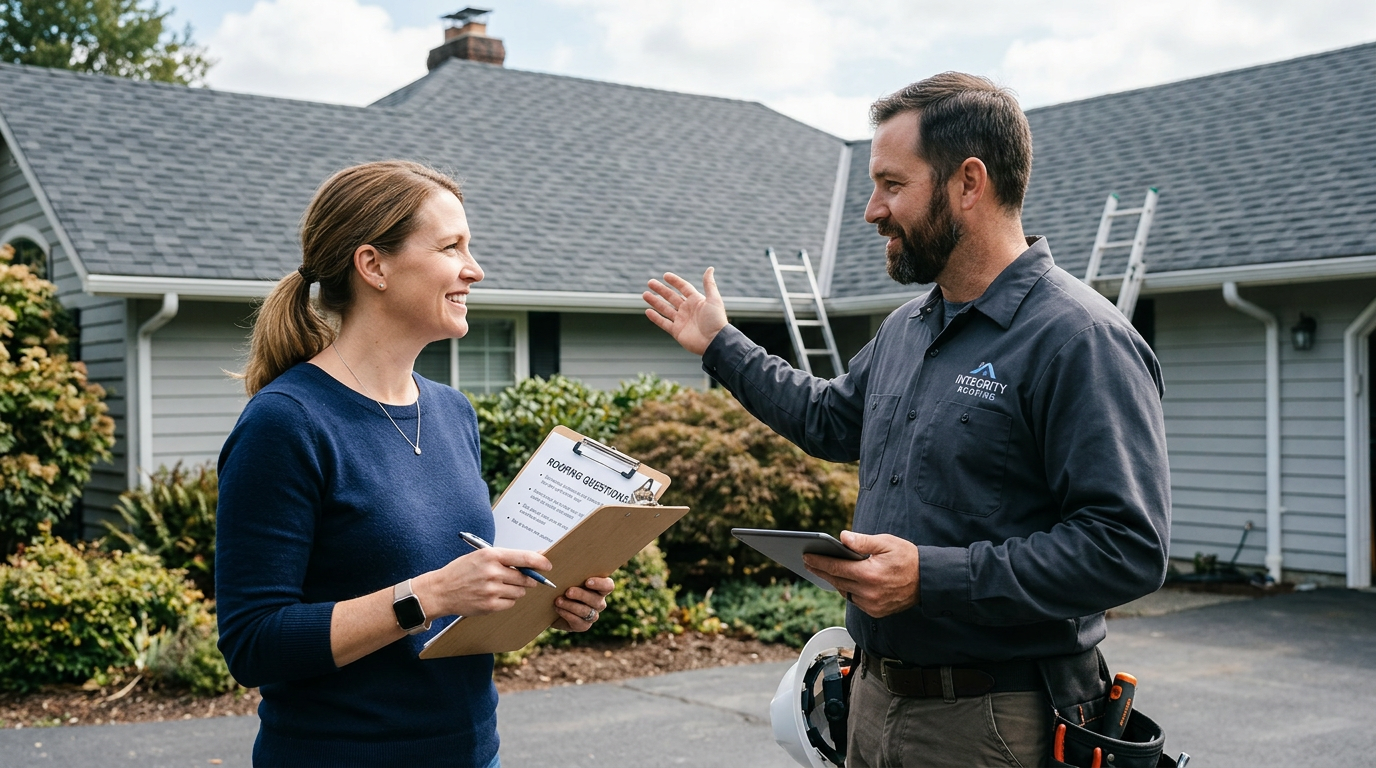
Asking the right questions before you hire a contractor can save you from expensive mistakes and help you find someone qualified for the job. The 19 questions below cover five areas — licensing and insurance, relevant experience, subcontractor use, project scheduling, and payment and contract terms — and each is designed to produce a specific, verifiable answer you can cross-check or use to compare contractors directly.
Licensing, Insurance, and Permits
Start by confirming that a contractor is legally eligible to work before evaluating anything else. Ask for their license number and verify it yourself through your state’s contractor licensing board. A legitimate contractor will hand it over without hesitation. If they resist or dodge the question, that’s a red flag.
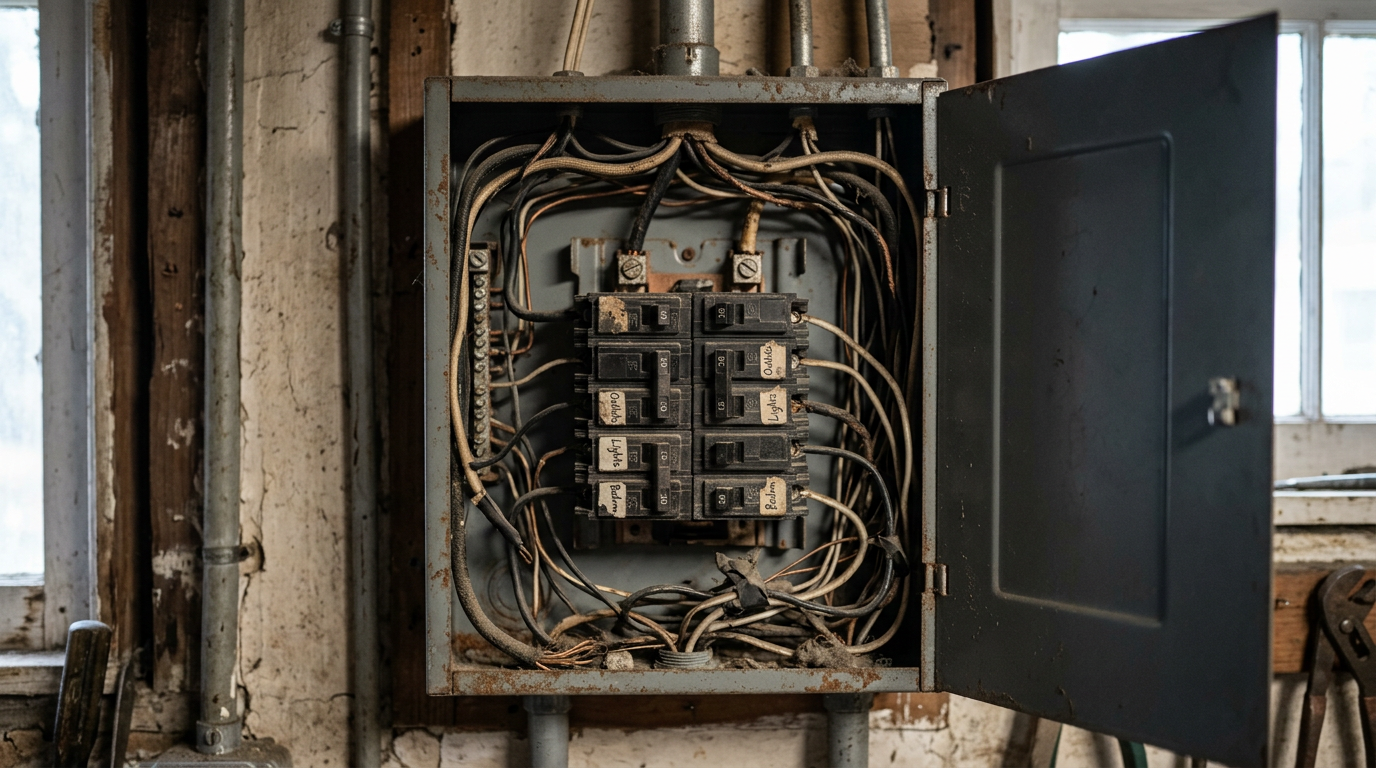
Insurance requires the same directness. Ask whether they carry general liability insurance and request a certificate of insurance from the insurer — not just verbal confirmation. On a major project, coverage limits below $1 million are worth questioning. Workers’ compensation is a separate issue: if a worker is injured on your property and the contractor doesn’t carry workers’ comp, you could be held liable. A reputable contractor will show proof of coverage without needing to be asked twice.
On permits, the contractor should be pulling all required permits for the project. If they suggest you pull the permits yourself, or imply permits aren’t needed for work that clearly requires them, that’s either inexperience or a sign they’re looking to cut corners.
Relevant Experience for Your Specific Project
General experience isn’t the same as relevant experience. Ask how long the contractor has been in business under their current company name — years under the same name gives you a track record you can actually check, and a contractor who has changed names repeatedly is harder to hold accountable. More importantly, ask whether they’ve completed projects similar to yours in scope, scale, and complexity. A contractor who has handled comparable work is better positioned to spot problems early and manage the job accurately.
Ask for references from three recent projects similar to yours, then follow up. Ask those references specifically about timeline accuracy, communication, and how disputes were handled. A portfolio of unrelated jobs tells you much less. Also ask whether the contractor has worked in your municipality before. Local building codes and inspector relationships matter — a contractor unfamiliar with your area may run into permit delays or fail inspections that an experienced local contractor would have anticipated.
Subcontractor Use and On-Site Management
Most general contractors subcontract specialty trades like electrical, plumbing, and HVAC. Knowing which trades are subcontracted tells you how much of the project the GC directly controls and where coordination risks exist. Ask how they select and vet their subs — a GC who uses the same trusted subcontractors repeatedly shows more control over the project than one who bids out each trade to whoever is cheapest. The same licensing and insurance standards apply to subcontractors.
Also find out who will be on-site managing the work day to day. If the contractor you’re meeting won’t be present regularly, get a clear answer about who will be. A project manager or lead carpenter running the job without direct accountability to the GC can create communication gaps and quality control problems. Before committing to any contractor, it’s also worth thinking through whether certain parts of the project are better handled yourself versus hiring a professional, especially for smaller or lower-risk tasks.
Start Date, Completion Timeline, and Scheduling Conflicts
Get a realistic start date and ask what could delay it. A contractor who won’t acknowledge common causes of delay — material lead times, permit processing — is either overbooked or not planning carefully. Get the full project timeline in writing, broken into phases if the work is complex, then check that estimate against your references to find out whether the contractor’s timelines are typically accurate or routinely optimistic.
Ask how many other projects they’ll be running simultaneously during yours. There’s no universal right answer, but the response tells you how much attention your project will realistically get. Also ask what their policy is if the project runs significantly over schedule. Strong contractors have a clear answer — a penalty clause, a communication protocol, or a defined process for scope changes that affect timing. Vague answers here usually mean vague accountability later. Understanding the best time of year to schedule your renovation can also help you set realistic expectations around contractor availability and project timing.
Written Contract, Payment Schedule, and Workmanship Warranty
A verbal agreement is not a contract. Every project detail — materials specified by brand and grade, payment milestones, change order procedures — should be in writing before any work begins. A standard payment structure ties payments to project milestones, not arbitrary dates. A contractor asking for more than 10 to 15 percent upfront before work begins, especially on a large project, is a warning sign worth looking into.
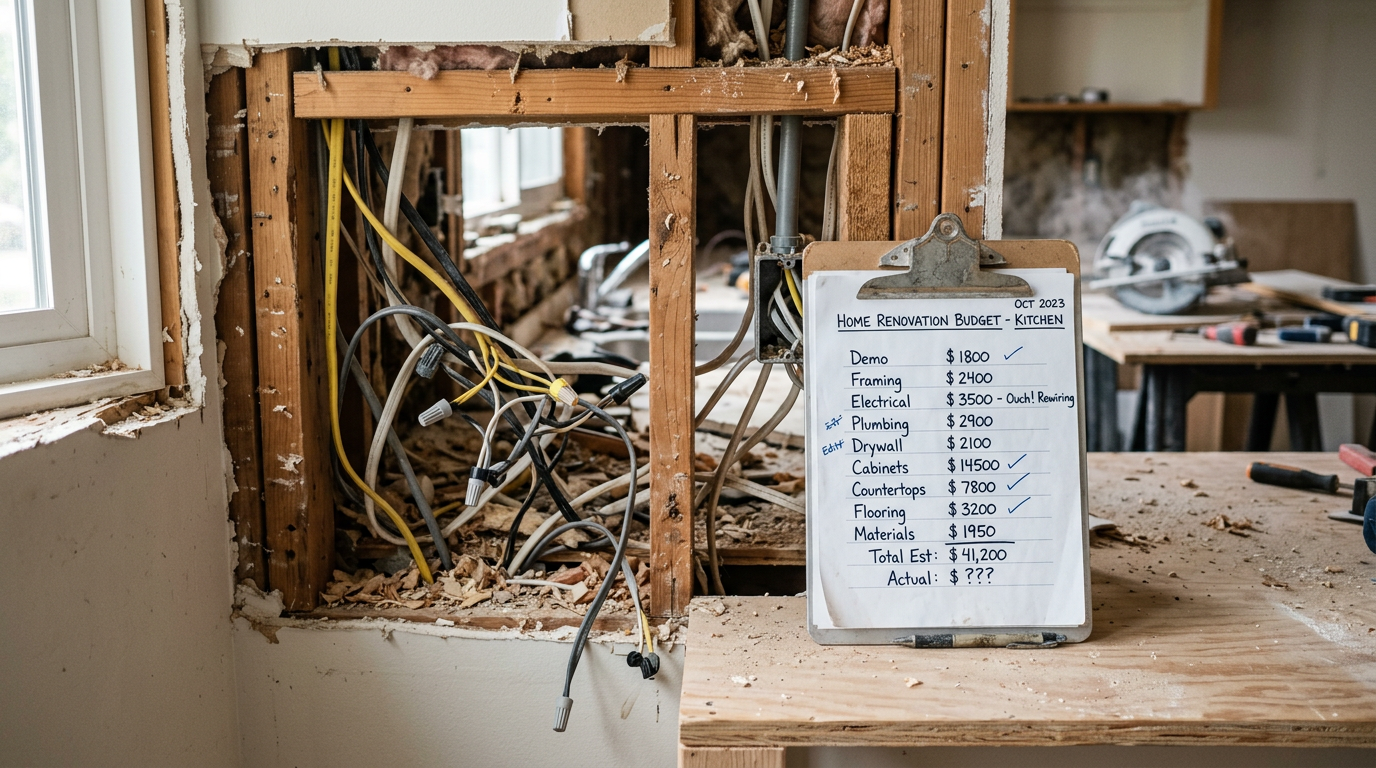
Changes to scope happen, but how they’re documented and priced matters. A contractor who handles change orders verbally or adds costs without written approval creates disputes at the end of the project. Ask to see a sample change order form before you sign anything. It’s also worth reviewing the key factors that drive up home renovation costs so you can build a realistic budget and recognize when a bid is missing important line items.
Finally, ask about the workmanship warranty. Materials carry manufacturer warranties, but workmanship warranties come from the contractor. Get clear on the duration, what’s covered, and the process for reporting a problem after the project is complete. A contractor who won’t commit to this in writing is telling you something.
Adjusting These Questions for the Size and Type of Job
For a larger home project with a general contractor, questions about subcontractor vetting, permit handling, and on-site management carry the most weight. Apply the full list with particular attention to team composition and scheduling.
For a single-trade or smaller job, licensing, insurance, and contract terms still matter, but subcontractor and team-size questions are less relevant. In that case, focus on credential verification and getting a written estimate that covers scope, cost, and timeline.
Asking These Questions Before You Sign Anything
Licensing and insurance confirm a contractor is eligible to work. Experience questions confirm they’re the right fit for your specific project. Subcontractor questions reveal how much direct control the GC has over the full job — a contractor with a realistic schedule but poor subcontractor vetting can still lose control of a project halfway through. Before your first meeting, before comparing bids, and before signing any contract, run through this list. A contractor confident in their work will welcome the scrutiny.