Home Renovation Trends for 2026: What’s Defining the Year Ahead
Home renovation in 2026 is being shaped by shifts across design preferences, building materials, and home technology simultaneously. Understanding where those shifts are landing — and how they interact — is what makes the difference between a renovation that holds up and one that dates quickly.
The Eight Trends Defining 2026 Renovations
The trends below span technology, materials, space use, and aesthetics. That range is intentional: renovation decisions in 2026 are rarely driven by a single category, and the most useful way to approach this list is across all dimensions at once.
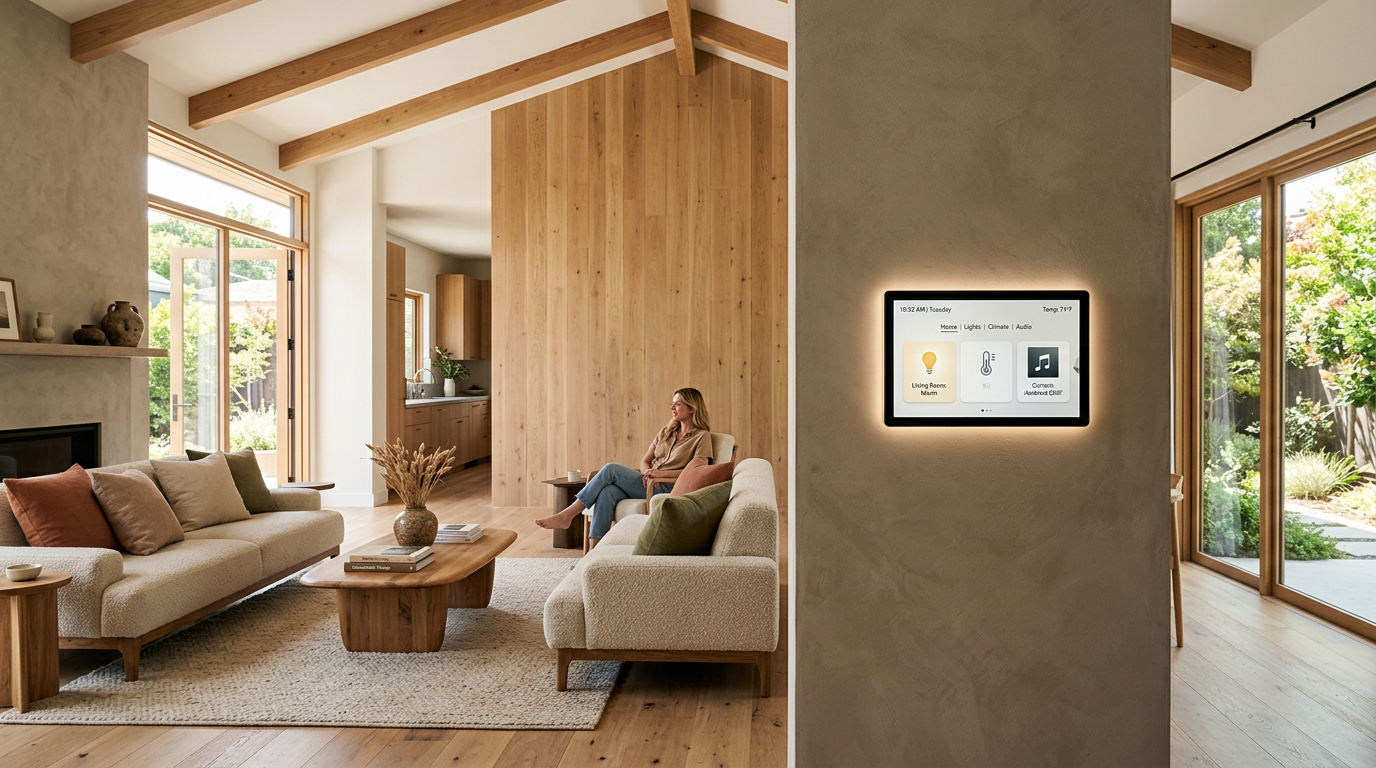
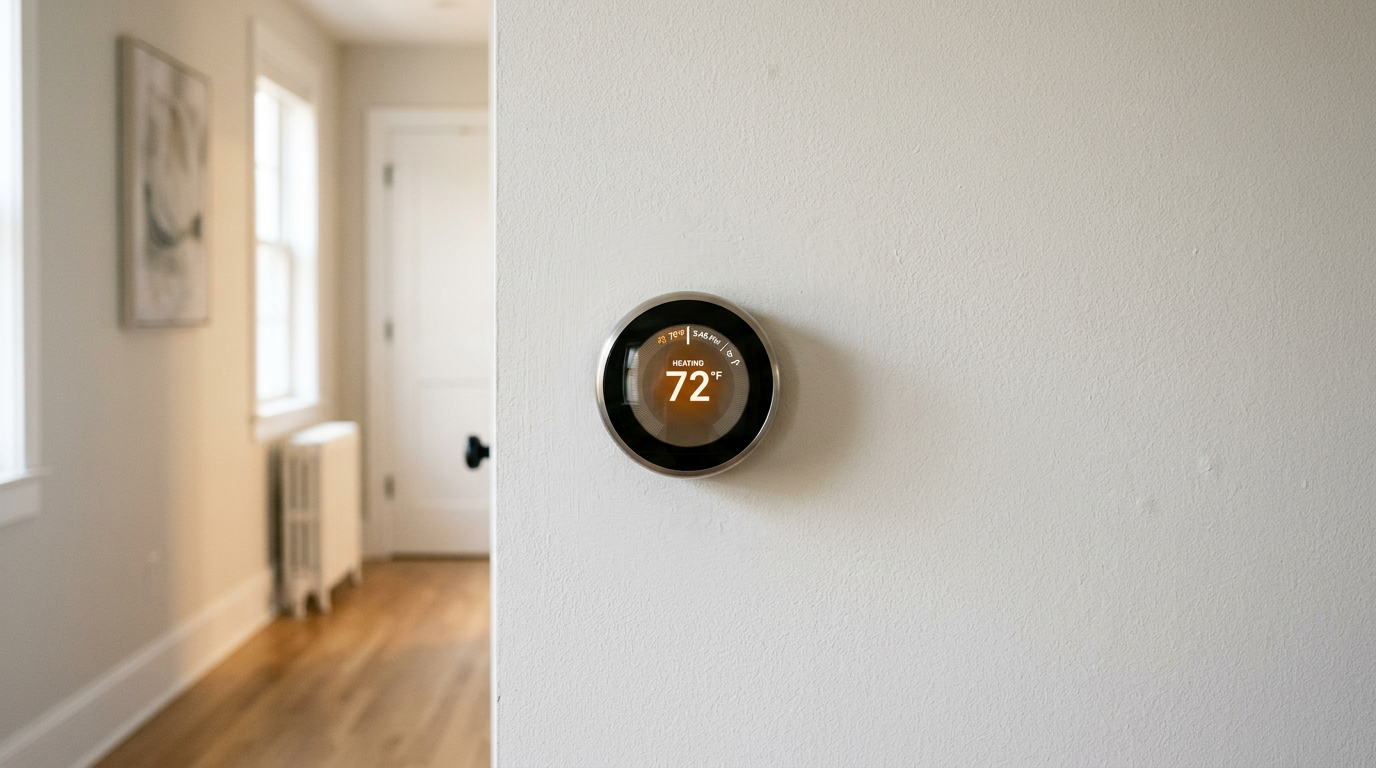
Smart home technology and automation is moving from a premium add-on to a standard expectation. Whole-home voice control, automated lighting, smart thermostats, and AI-driven security are now being routed into infrastructure at the framing stage rather than retrofitted after the fact. If you’re evaluating which devices deliver real returns, it’s worth reviewing smart home upgrades that are actually worth the investment before committing to a system.
Sustainable and natural materials — reclaimed wood, recycled metal, cork, and low-VOC finishes — are replacing synthetic alternatives in kitchens, bathrooms, and flooring projects. The shift reflects both environmental preference and a design move toward texture and warmth over high-gloss manufactured surfaces.
Wellness-oriented spaces are among the fastest-growing renovation categories heading into 2026. Home saunas, meditation rooms, air-filtration-optimized bedrooms, and circadian lighting systems are all examples of rooms or zones built specifically around physical and mental recovery.
Outdoor living expansions are being treated as real extensions of interior living space rather than seasonal additions. Covered patios, outdoor kitchens, and all-weather lounge areas built with durable, weather-resistant materials and integrated lighting are central to how these projects get scoped.
Storage and organization upgrades — built-in cabinetry, concealed storage walls, and custom closet systems — are being tackled as standalone renovation projects, particularly in smaller homes where maximizing square footage drives the decisions.
Warm, earthy color palettes and textured finishes are defining the interior design direction for 2026. Terracotta, warm whites, deep greens, and matte or limewash wall finishes are replacing the cooler grays and flat surfaces that dominated the past decade.
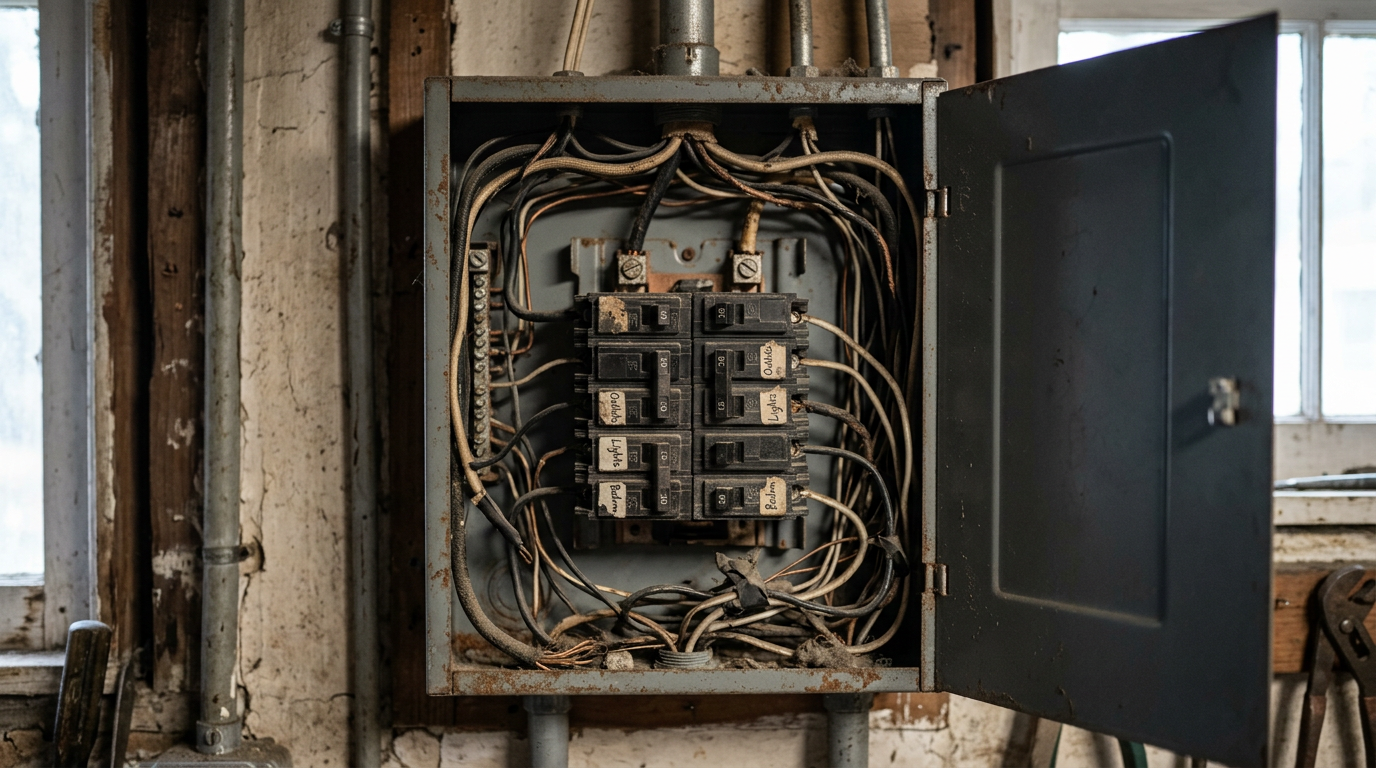
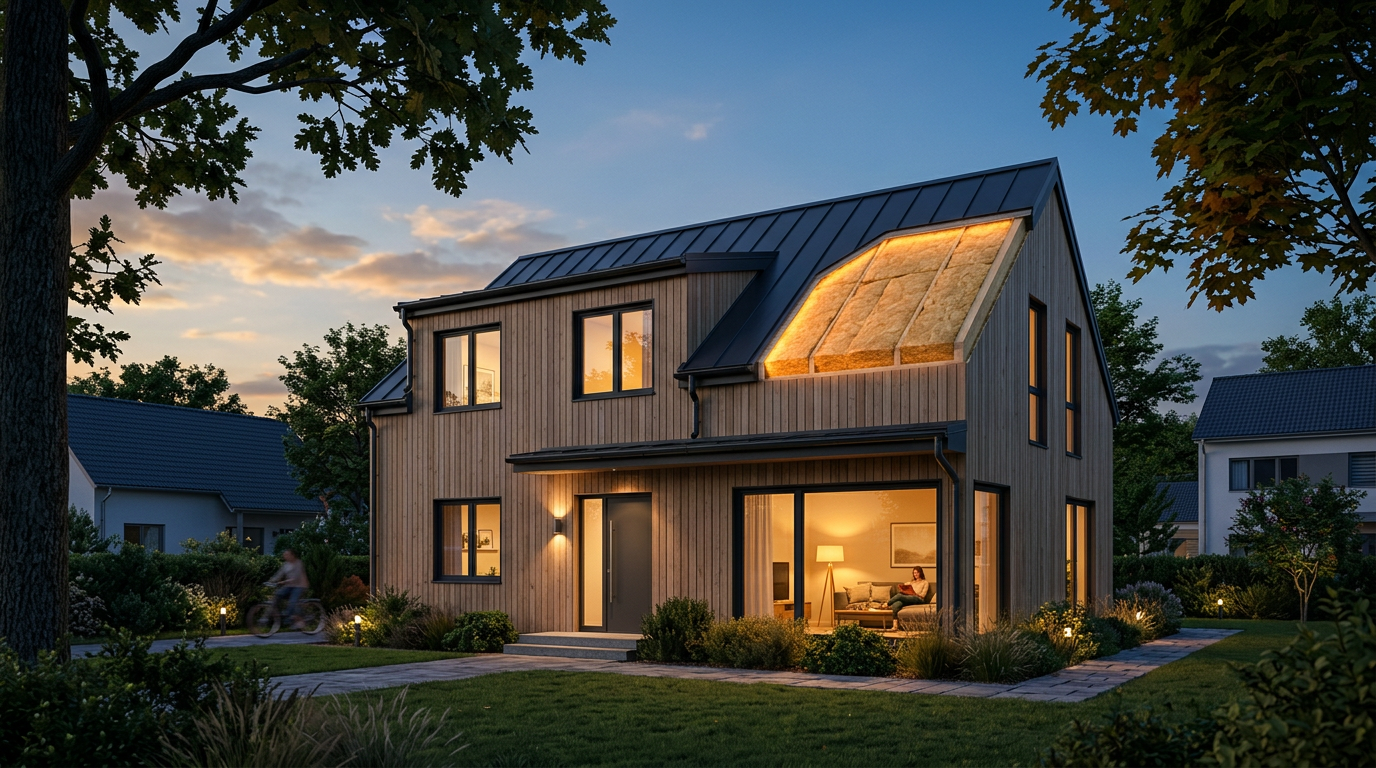
Energy-efficient upgrades and electrification — heat pump systems, solar-ready electrical panels, and triple-pane windows — are being added to renovation scopes as both cost-reduction measures and responses to tightening building codes in many regions. Homeowners looking to prioritize these improvements can find a practical starting point in this guide on how to make your home more energy efficient.
Multifunctional room design rounds out the list. Spaces built to serve more than one purpose — home offices that convert to guest rooms, flex spaces with movable partitions, kitchen islands with built-in workstation features — represent a defining structural trend for 2026.
How Scope and Sequencing Differ Across These Trends
Not all eight trends carry the same planning weight, and the differences matter when you’re deciding where to start or how to sequence a project.
Technology-driven trends and energy-efficient upgrades typically require early infrastructure decisions and higher upfront costs. Smart home systems and electrical panel upgrades need to be built into walls and panels before any finishing work begins. Sustainable materials and color or finish trends, by contrast, can be worked in at the specification stage with far less structural impact.
Wellness spaces usually require a dedicated room or a significant layout change. Outdoor living expansions can be scoped as standalone additions without touching the interior at all. Similarly, storage and organization upgrades can be completed as contained, lower-disruption projects, while multifunctional room design typically involves structural or partition-level changes that affect the broader renovation scope.
Matching These Trends to Your Renovation Type
Where you are in the renovation process shapes which trends are most immediately actionable. For a defined remodeling scope — a kitchen, bathroom, or room addition — smart home infrastructure and sustainable materials are the most directly applicable trends on this list. Wellness-oriented spaces are worth considering if the remodel includes a dedicated room or zone.
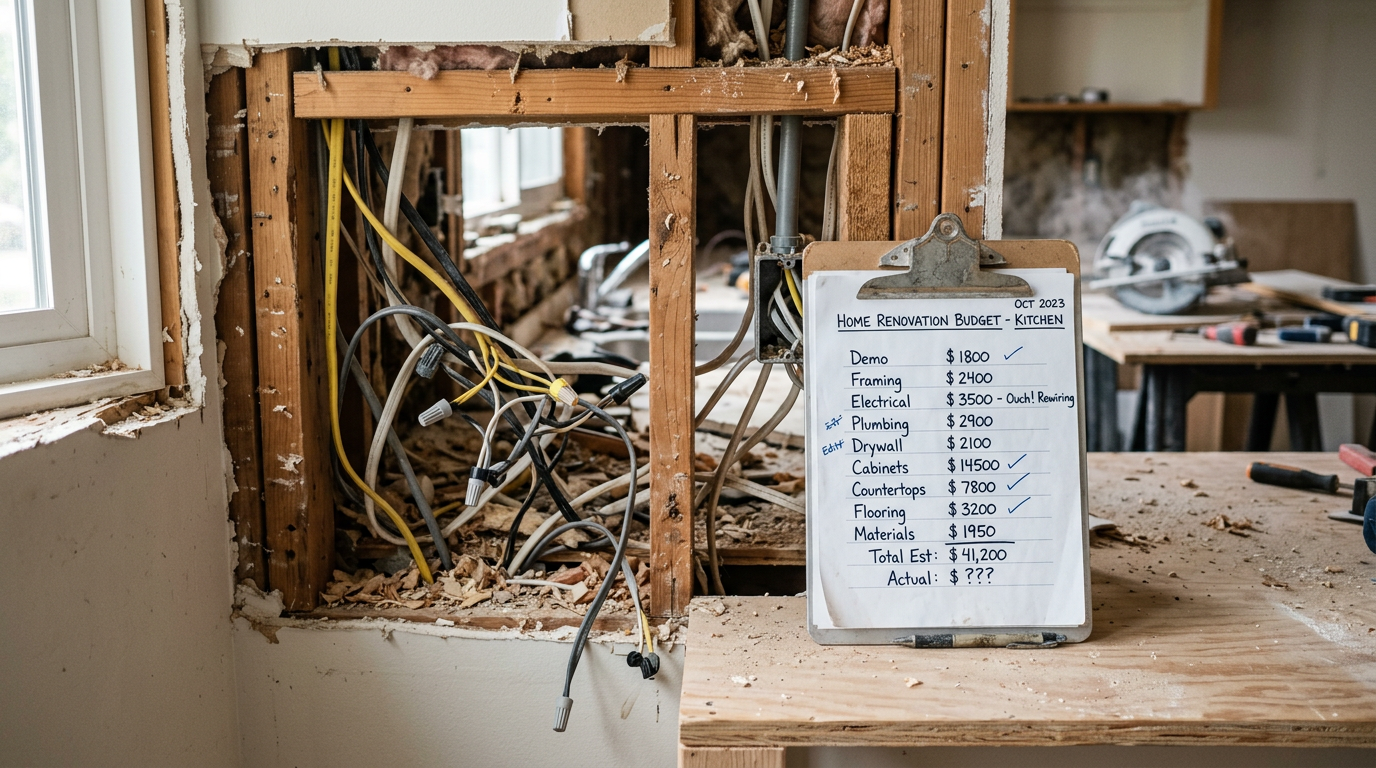
If you’re approaching renovation as a broader improvement cycle rather than a single project, outdoor living upgrades and storage or organization trends are the most accessible starting points. They’re lower disruption, self-contained in scope, and straightforward to fit into a phased plan. Understanding what drives home renovation costs and how to budget for them is especially useful when sequencing multiple projects across a longer timeline.
Where to Focus First in 2026
What connects these trends isn’t aesthetics — it’s intention. Technology and energy efficiency need to be decided before walls close. Wellness and multifunctional design require layout-level thinking. Materials and finishes can follow. Identify which category your next project falls into, then use that to anchor your contractor conversations and sequencing decisions from there.