Not every smart home product delivers what it promises. This list covers the upgrades that hold up — across convenience, energy savings, and security — with honest takes on what each one does, what it costs to run, and whether it’s worth your money before you buy.
The Upgrades Worth Your Money
The entries below are ordered by how broadly they affect your home. If you’re figuring out where to start, work from the top.
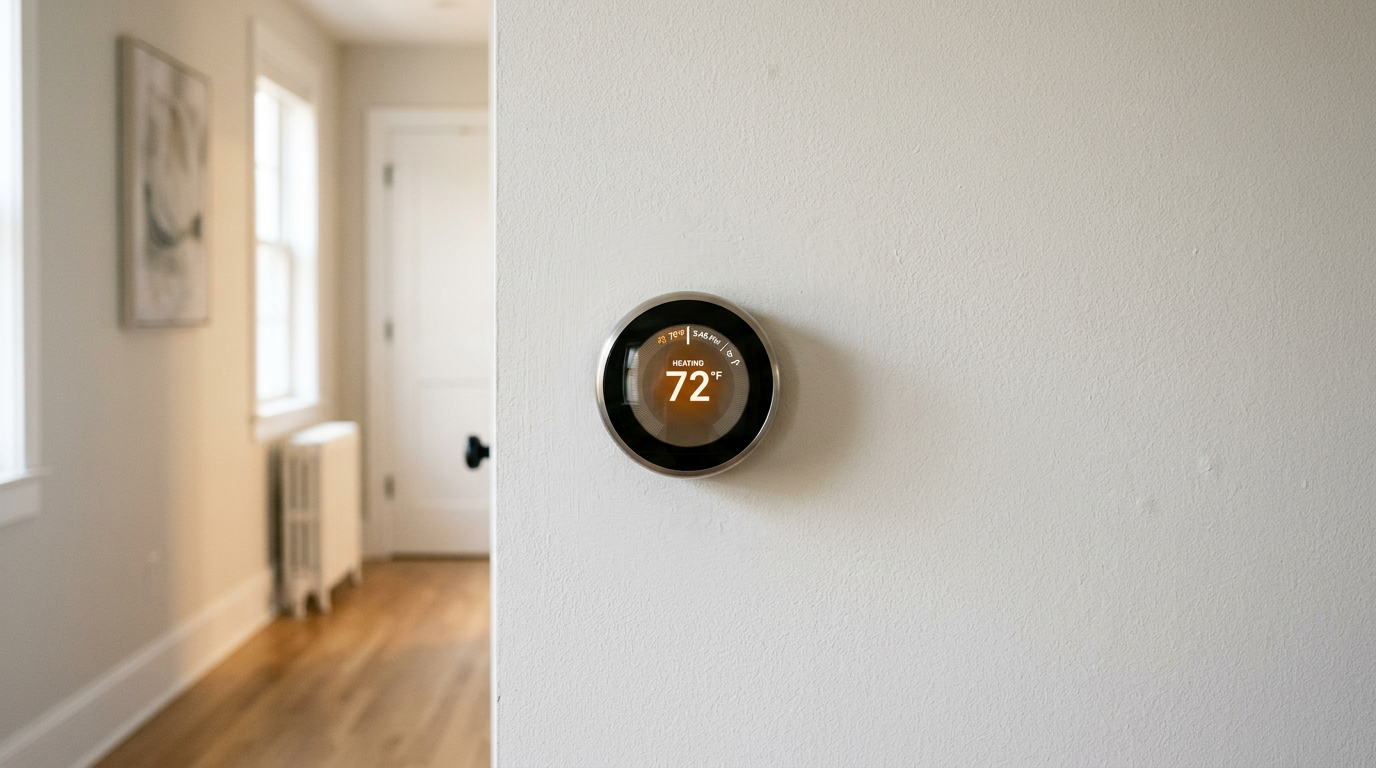
Smart Thermostat adjusts heating and cooling automatically based on your schedule and habits, cutting energy waste without any ongoing effort. It works with most HVAC systems, installs in under an hour, and delivers real savings on utility bills year-round. It’s also one of the upgrades buyers consistently notice when shopping for a home.
Video Doorbell lets you see, hear, and talk to anyone at your front door from your phone, whether you’re home or not. It deters package theft, keeps a timestamped record of entry activity, and adds visible security appeal that matters to prospective buyers.
Smart Lock replaces a physical key with a code, an app, or both. It’s useful for letting in contractors, family, or guests without making copies of your key, and most models install on your existing deadbolt in under 30 minutes. It’s best for households that manage frequent access. For someone living alone with a simple routine, the impact is smaller.
Outdoor Smart Security Cameras monitor your entry points and property in real time, sending motion alerts to your phone. Footage is stored locally or in the cloud depending on the model. These cameras have a real deterrent effect and add resale appeal, especially in markets where security is a priority for buyers.
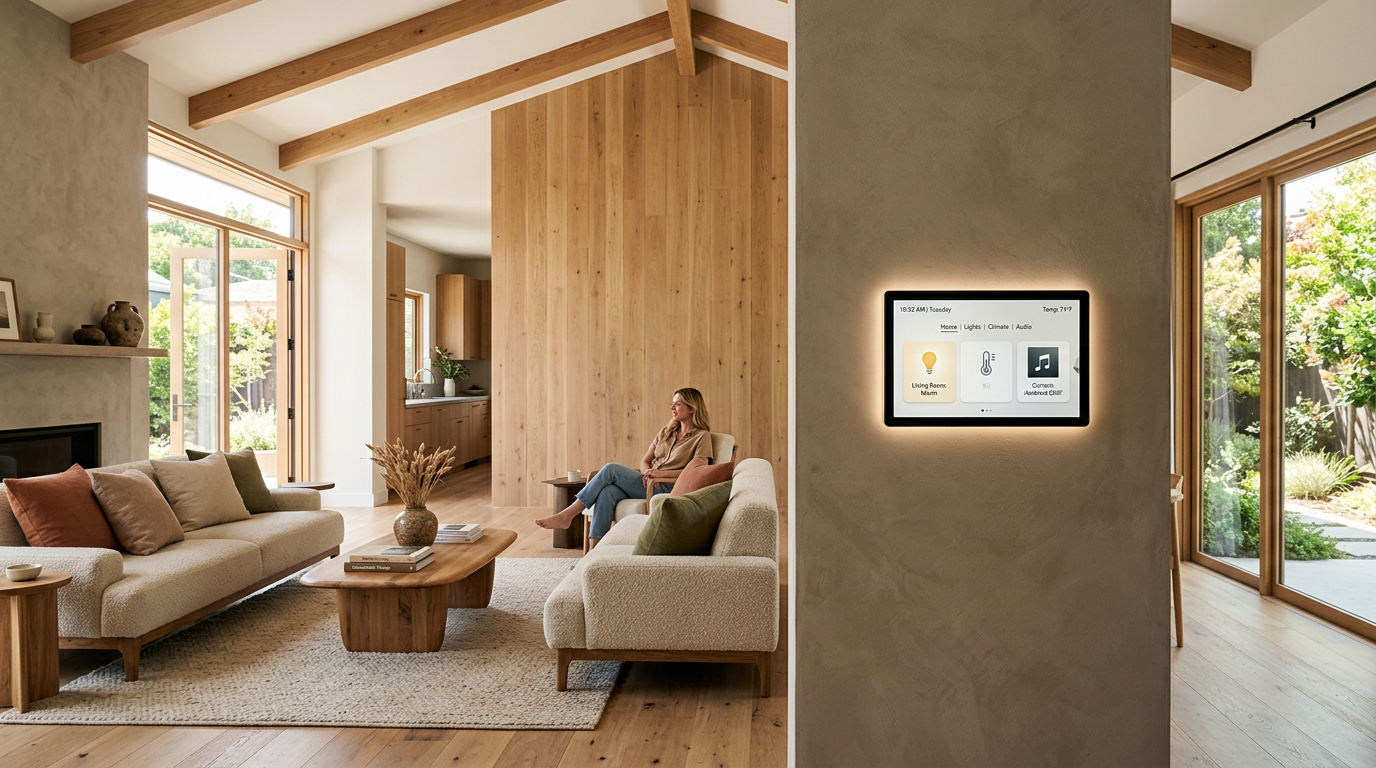
Smart Lighting System controls your lights by schedule, motion, or voice — stopping lights from being left on in empty rooms and eliminating the need to walk through the house to turn everything off at night. It works best as a whole-home setup; a single-room install doesn’t give you much. Energy savings are modest but add up over time.
Smart Smoke and Carbon Monoxide Detector sends an alert to your phone when it goes off, even when you’re not home — a real improvement over a standard detector that only sounds locally. Some models also track air quality. Installation is straightforward, most models don’t require a subscription, and for a low-cost upgrade, the practical stakes are high.
Smart Plugs turn any standard outlet into one you can control remotely or put on a timer. They’re useful for lamps, fans, and appliances you want to schedule or cut power to when not in use. These are the cheapest entry point on this list and work best as a supplement to other upgrades, not a standalone investment.
Smart Garage Door Opener lets you open, close, and check your garage door from your phone — no more wondering whether you left it open, and you can let someone in without handing over a physical remote. The use case is narrower than most other entries here. It’s most useful for households where the garage is the main way in and out.
How to Match Upgrades to Your Goal
The right starting point depends on what you’re actually trying to get out of these upgrades.
If energy savings are the priority, the smart thermostat gives you the most consistent return, with savings that build across every billing cycle. Smart lighting adds smaller but steady reductions. For a broader look at where these upgrades fit alongside other efficiency measures, see this guide on ways to make your home more energy efficient. Most other entries are about convenience first and have little effect on utility bills.
If resale value is the goal, the list narrows to the video doorbell, outdoor cameras, smart thermostat, and smart lock. These have the clearest buyer recognition and the most consistent appeal across markets — more documented than convenience-only upgrades like smart plugs or a garage door opener. For a broader view of which projects deliver the strongest returns, the data on home improvements that add the most value to a house puts smart upgrades in context alongside kitchen, bathroom, and curb appeal projects.
If you’re new to smart home technology, the smart thermostat, video doorbell, and smart smoke detector offer the most immediate value. They’re easy to install, work with most existing systems, and don’t require a broader smart home ecosystem to be useful.
Installation Costs and Subscription Fees Are Part of the Real Price
Each upgrade earns its spot on its own merits, but the full cost picture matters. Outdoor camera systems may require professional installation and carry ongoing subscription fees. The smart thermostat and video doorbell typically don’t. That difference is worth accounting for when you’re comparing what you’ll actually spend against what you’ll get back — whether in utility savings, resale value, or daily convenience. If you’re weighing whether to handle installation yourself or bring in a professional, the breakdown of when DIY makes sense versus hiring a contractor covers the key factors to consider.
Where to Start With Your Smart Home Investment
Your main goal — energy savings, resale value, or daily convenience — should drive the decision. The smart thermostat has the strongest payback timeline across all three. Security upgrades like the video doorbell, outdoor cameras, and smart lock have the most documented buyer appeal. For first-time buyers or anyone starting from scratch, those three categories cover the most ground with the least complexity. Pick the upgrade that solves a real friction point in your household, and build from there.