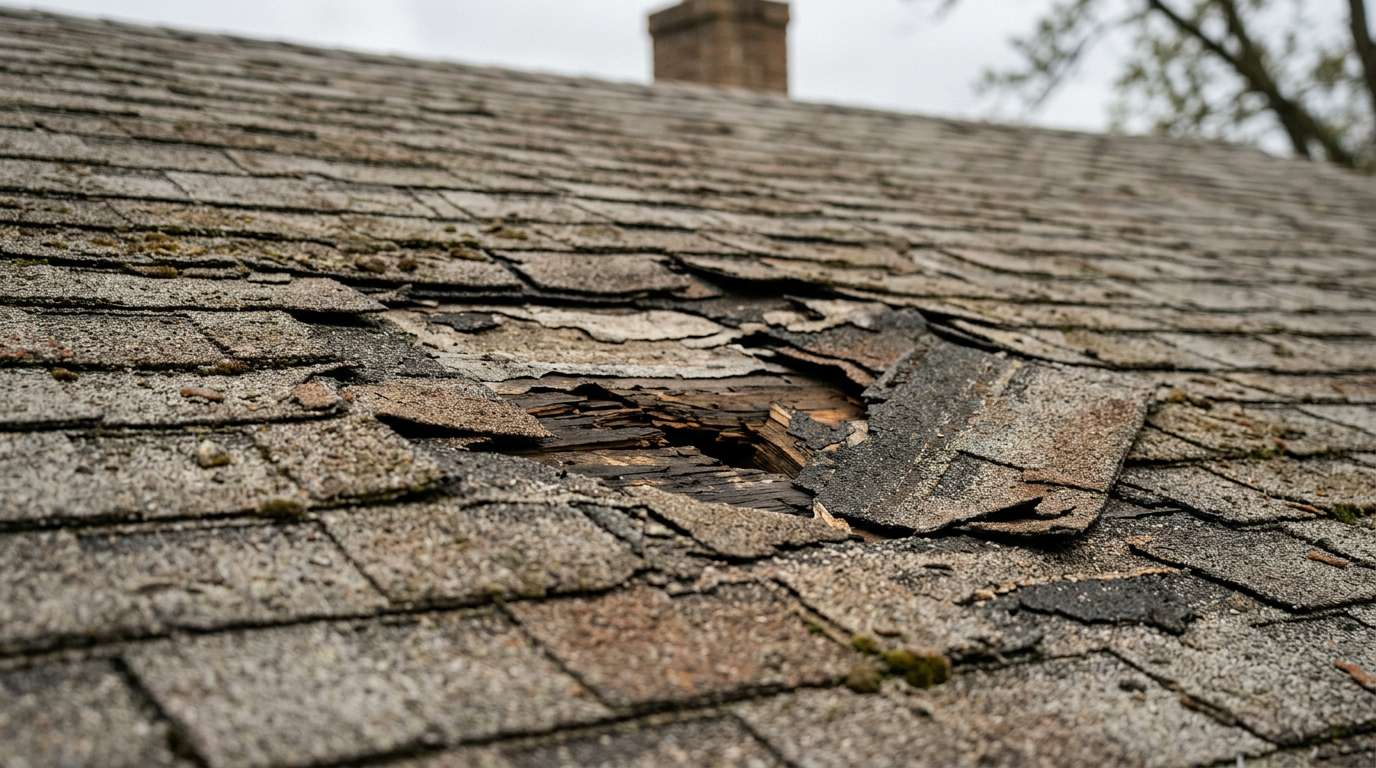
At its core, the repair-or-replace decision is a financial one. It turns on five criteria: repair cost relative to replacement cost, system age, energy efficiency, repair frequency, and major component failure. No single factor resolves the question on its own — the combination is what matters.
The Cost Thresholds That Drive the Decision
The clearest rule is the 50% benchmark: if a repair costs more than half of what a new system would cost, replacement is the stronger financial choice. A system that needs a major repair is likely to need more work down the road, and paying more than half the cost of a new unit to keep a failing one running rarely makes sense.
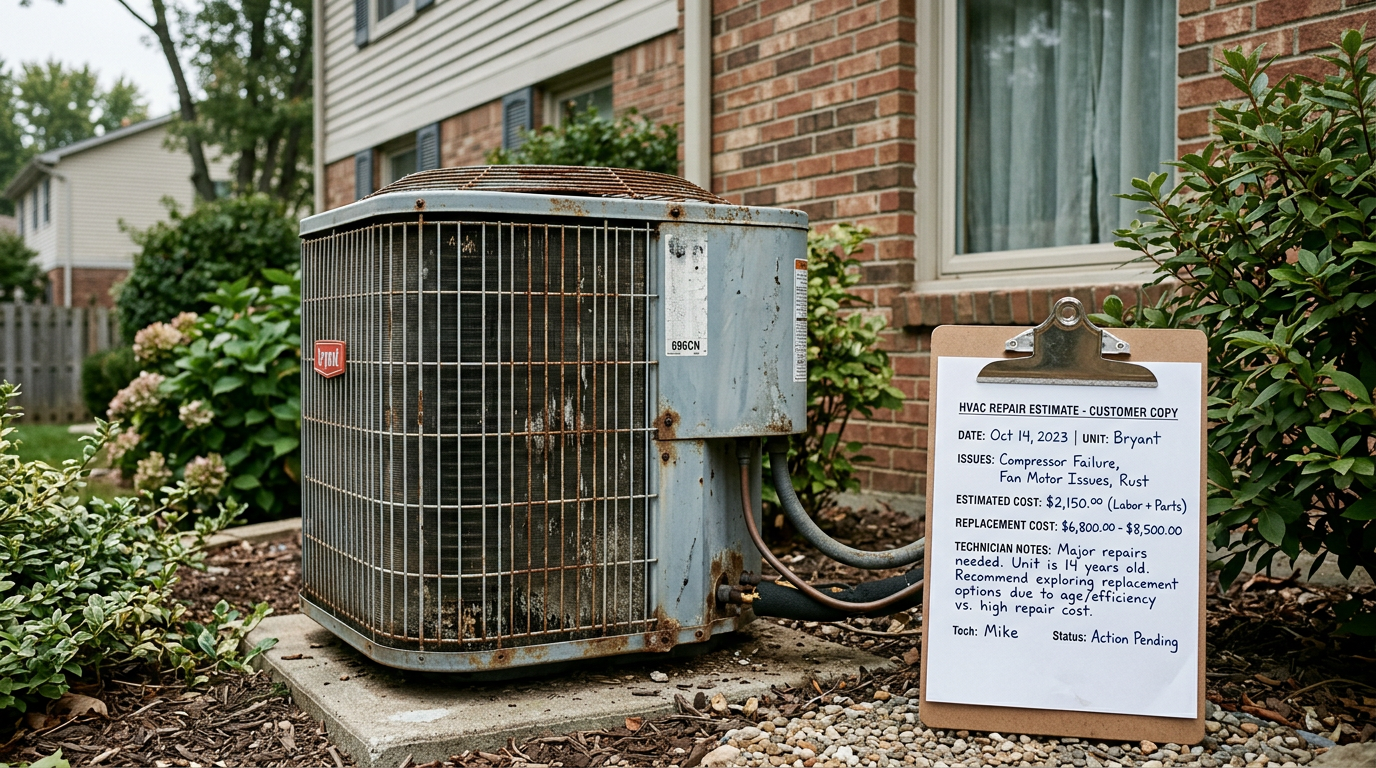
A tighter threshold applies when age is a factor. If the repair cost exceeds 30% of replacement cost and the system is more than 10 years old, lean toward replacement. The remaining useful life doesn’t justify the investment. For a system at 15–20 years — at or past its typical service life — even a repair cost well below either threshold may not be worth it.
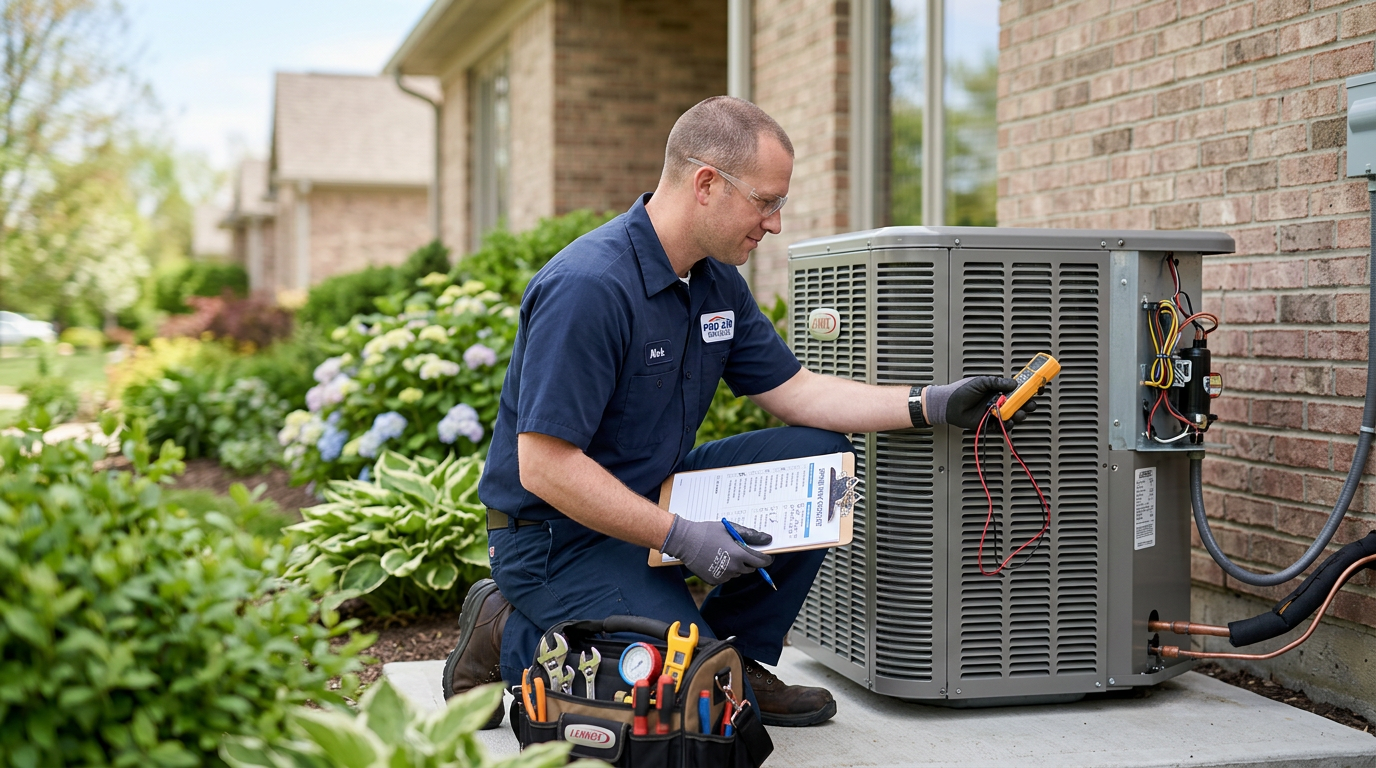
Repair frequency changes the calculation in a similar way. Two or three repairs within a 2–3 year window may each fall below the 30% benchmark individually, but their combined cost carries the same financial weight as one large repair — and what that pattern signals about the system’s reliability makes replacement the more defensible decision. To avoid reaching this point, understanding how often you should service your HVAC system can help you catch deterioration before it compounds into repeated failures.
On the other end, a system still under manufacturer warranty with a repair cost below 30% of replacement cost is a clear candidate for repair. Low cost, covered components, and remaining useful life all point in the same direction.
How System Age and Component Failures Shift the Math
Age doesn’t just affect which threshold applies — it changes what the cost thresholds actually mean. A repair at 40% of replacement cost on a 5-year-old system is a reasonable investment. That same cost on a 16-year-old system means spending money on a unit that will need full replacement within a few years regardless.
Major component failures operate differently from standard repairs. Compressor and heat exchanger replacements can approach or exceed the cost of a new system, which is why these failures shift the math even when the system isn’t yet at end-of-life. A failed compressor or cracked heat exchanger typically pushes repair costs above both the 30% and 50% benchmarks, especially in systems over 10 years old, making replacement the default outcome in most cases.
Efficiency is a separate but related factor. If a system’s SEER rating falls well below current standards — below 14–16 SEER — efficiency losses are adding to operating costs every year. Those ongoing costs strengthen the case for replacement even when repair costs alone fall below the threshold. Reviewing ways to make your home more energy efficient can help you understand how an underperforming HVAC system fits into your broader operating costs.
Applying the Criteria to Specific Situations
The same cost-threshold and age criteria apply to a standalone air conditioner, but the replacement cost baseline is lower than a full HVAC system: typically $3,500–$7,500 for a central AC unit versus $8,000–$15,000 or more for a full system. Apply the 30% and 50% benchmarks against the air conditioner’s replacement cost specifically — not a combined system figure — or you’ll overstate how much a repair is worth. If your unit is already showing performance problems, it’s worth reviewing the most common reasons an AC blows warm air to determine whether the issue is a minor fix or a sign of deeper failure.
When multiple criteria are in tension, a side-by-side decision chart can help. It maps the five criteria to columns — repair cost as a percentage of replacement cost (below 30% / 30–50% / above 50%), system age (under 10 years / 10–15 years / 15+ years), efficiency rating (current / below standard), repair frequency (isolated / repeated), and component condition (minor / major failure). Each column produces a lean toward repair or replacement, and the column with the most weight determines the recommendation.
For a system at or past 15–20 years, age alone — without a current repair event — can justify proactive replacement, particularly when efficiency losses are already showing up in utility bills. Waiting for a component failure to trigger the decision means replacing the system under pressure, often mid-season, with less time to evaluate options or compare pricing.
How to Make the Final Call on Repair vs. Replacement
Start with your repair quote as a percentage of replacement cost, then layer in system age, efficiency rating, repair history, and component condition. If the repair cost exceeds 50% of replacement cost, replace. If it exceeds 30% and the system is over 10 years old, lean toward replacement. If the system is 15–20 years old, factor in whether you’re paying to slow a decline rather than fix a problem — a compressor or heat exchanger failure rarely changes that math in favor of repair.