Home Maintenance Checklist: Seasonal Tasks to Protect Your Home Year-Round
Routine home maintenance is how small problems stay small. Left unaddressed, a clogged gutter or a failing caulk seal can escalate into fascia rot, foundation seepage, or water intrusion — repairs that cost far more than the upkeep that would have prevented them. This checklist organizes what to inspect, clean, or service across spring, summer, fall, and winter so you know what needs attention and when.
What to Do Each Season
Spring
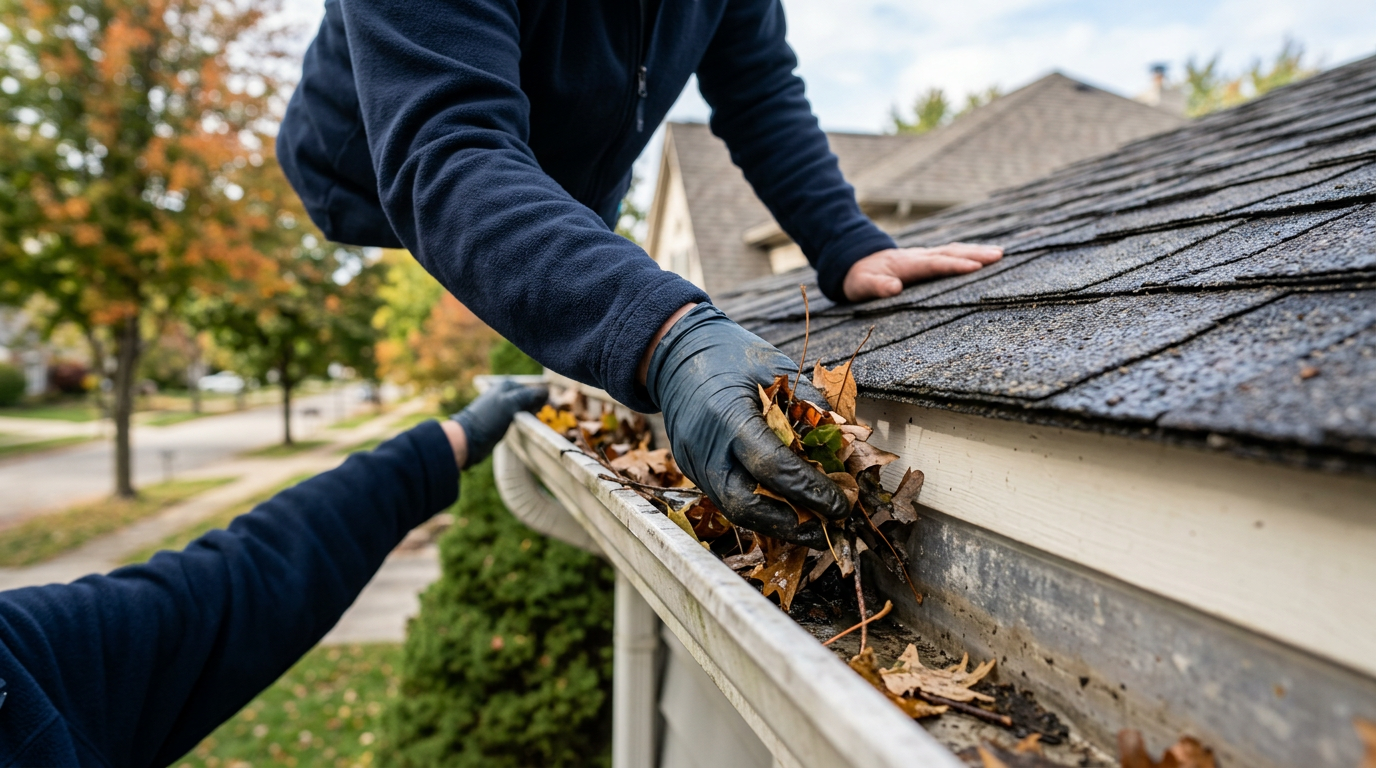
Start with the gutters and downspouts. Clear out whatever accumulated over winter and check for sagging or separating sections — blockages here let water back up against the roofline and cause fascia rot or foundation seepage. While you’re working on the exterior, inspect the caulking around windows and doors for cracking, shrinking, or gaps where it has pulled away from the frame. Resealing before summer humidity and rain arrive keeps moisture out.
Spring is also the right time to schedule an HVAC tune-up before cooling season. A technician should inspect the system, clean the coils, and check refrigerant levels. Catching issues now means you’re not scrambling for repairs during peak summer demand. Finally, check the roof for winter damage — missing, curling, or cracked shingles, and flashing around chimneys and vents. Spotting problems early prevents water from getting in once spring rains start.
Summer
Inspect and clean dryer vents during summer. Lint buildup in the vent line is a leading cause of house fires; clear the full run from the dryer to the exterior exhaust cap. Also check exterior wood surfaces — decks, fences, and trim — for peeling paint or soft spots. Dry summer conditions make it easier to address deterioration than waiting until fall.
Test smoke and carbon monoxide detectors, replacing batteries as needed. A mid-year check fills the gap between the more common fall and spring reminder cycles.
Fall
Once trees have dropped their leaves, clean the gutters a second time. This late-fall clearing keeps ice dams from forming at the roofline once temperatures drop. Before the first freeze, drain and shut off exterior hose bibs: disconnect hoses and close the interior supply valve to outdoor spigots. Skip this step and you risk burst pipes.
Replace HVAC filters and have the furnace or heat pump serviced before it runs continuously through the coldest months. A clogged filter cuts efficiency and puts extra strain on the system. Also inspect weatherstripping on exterior doors — worn or compressed sections let cold air in and drive up heating costs. Replace any that no longer form a firm seal. For a broader look at how weatherstripping and air sealing affect your utility bills, see these ways to make your home more energy efficient.
Winter
Check attic insulation and ventilation. Insufficient insulation lets heat escape through the roof, contributing to ice dam formation and higher energy bills. Winter conditions make these problems easier to spot. Also test GFCI outlets in kitchens, bathrooms, and garages by pressing the test and reset buttons on each unit to confirm they trip and restore correctly. These outlets protect against electrical shock in wet areas and should be checked at least once a year.
Revisit this list at the start of each season to keep tasks on schedule and avoid letting any category go unaddressed for more than a year.
Timing, Recurrence, and When to Call a Professional
Some tasks come up more than once a year. HVAC filter changes and smoke detector tests appear in both spring and fall. Others have a narrow window — draining hose bibs and clearing gutters after leaf fall are fall-only tasks where missing the timing by a few weeks can mean a burst pipe or ice dam.
Most tasks here are straightforward DIY work: gutter cleaning, caulking, weatherstripping replacement, and detector testing don’t require a professional. HVAC tune-ups are the clearest exception — a technician can inspect coils, check refrigerant levels, and catch issues a homeowner can’t reliably identify. Roof inspection is another case where professional eyes add value until you know what to look for. If an inspection reveals significant damage, understanding when to repair versus replace your roof will help you make the right call before hiring a contractor.
How to Adapt This Checklist to Your Situation
If you’re using this list for annual planning — reviewing it once at the start of the year rather than seasonally — the goal is to schedule every season’s tasks before the year begins. That’s useful for new homeowners getting familiar with a property or anyone building a maintenance calendar from scratch.
New homeowners should start with the highest-impact, lowest-complexity tasks: replacing HVAC filters, testing smoke detectors, cleaning gutters, and inspecting weatherstripping. Leave HVAC servicing and roof inspection to a licensed professional until you’re comfortable identifying what normal looks like.
If you’re prioritizing by consequence, focus first on gutter cleaning, draining exterior hose bibs, HVAC servicing, and roof inspection. These carry the steepest risk if skipped. The rest of the list adds value but carries lower immediate risk.
Not every task here will apply to every home. Treat this as a framework, not a mandate.
Staying Consistent with the High-Stakes Tasks
The tasks with the most serious consequences if skipped — gutters, weatherproofing, HVAC filters, and safety detectors — are also the ones most likely to be deferred. Some recur seasonally and require attention more than once a year; others, like draining hose bibs, have a single narrow window. Prioritize those first. For HVAC servicing and roof inspection, schedule a professional before each relevant season rather than waiting for a problem to appear. Consistent attention to these items is what keeps minor maintenance from becoming major repair.