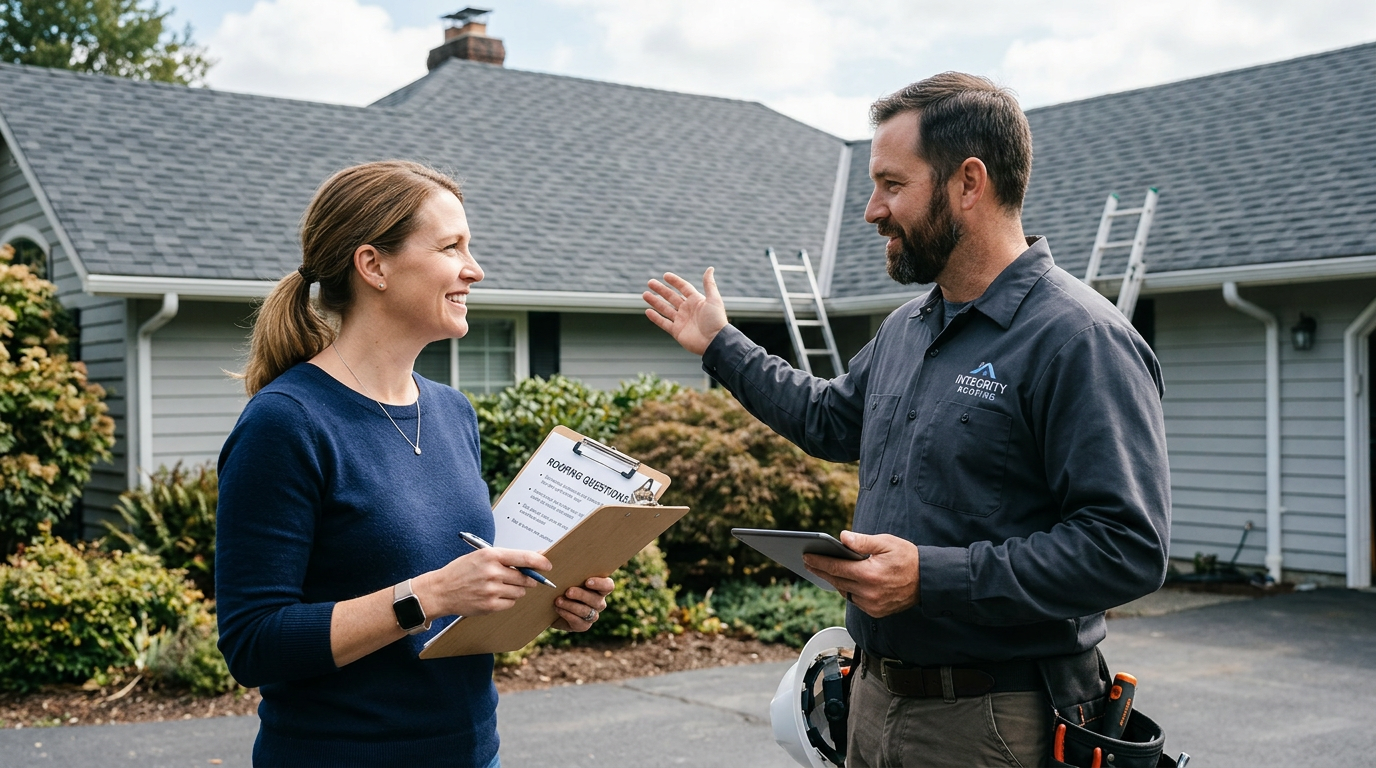
Asking the right questions before you hire a roofer can save you from expensive mistakes and help you find someone you can trust. What follows covers the most important questions to ask during the hiring process — from licensing and insurance to warranties and payment terms — along with an explanation of what to listen for in each answer.
Credentials and Identity: The First Filter
Start here. A contractor who can’t confirm licensing, insurance, or a physical address should be ruled out before you invest any more time. These questions have verifiable answers — ask to see certificates and look up addresses independently rather than accepting verbal confirmation.
Are you licensed to perform roofing work in this state or municipality? Licensing requirements aren’t uniform. Some states or municipalities require a specific license; others don’t require one at all. The answer tells you what the local standard is and whether the contractor meets it.
Can you provide proof of general liability insurance? This protects you if the contractor damages your property during the job. Ask to see the certificate.
Do you carry workers’ compensation insurance for your crew? Without it, you could be held liable if a worker gets hurt on your property.
Are you bonded? A surety bond gives you financial protection if the contractor fails to finish the work or violates the terms of your agreement.
Do you have a verifiable physical business address? A local, confirmable address separates an established contractor from someone passing through. Look it up independently before moving forward.
How many years have you been in business under this company name? Longevity under the same name suggests stability. If the name changed recently after years in business, that’s worth a follow-up question.
Experience, References, and Who Does the Work
Once a contractor clears the credential filter, the next set of questions confirms they have the right experience for your specific job and that the people doing the work are properly covered.
Have you worked with this specific roofing material before? Experience with asphalt shingles doesn’t automatically carry over to metal, tile, or flat roofing systems. Make sure the experience matches the job.
Can you provide references from recent jobs of the same type? Recent references on comparable projects are more useful than a general list of satisfied customers from years ago.
Will you pull the required permits for this job? A contractor who asks you to pull the permits yourself is shifting legal responsibility onto you. That’s not standard practice.
Who will be performing the work: your own employees or subcontractors? Subcontractors may not be covered under the same insurance policy. Clarify this before work begins. If you’re weighing how much involvement to take on yourself, it helps to understand how to decide between DIY and hiring a professional contractor before committing to any agreement.
Warranty Coverage: Materials and Labor Are Not the Same
A contractor may offer one type of warranty without the other, which is why these two questions need to be asked separately.
What does the manufacturer’s materials warranty cover, and for how long? Materials warranties come from the manufacturer, not the contractor, and coverage terms vary depending on the product.
Do you offer a separate labor warranty, and what does it cover? A labor warranty covers installation errors. It’s distinct from the materials warranty and won’t be volunteered unless you ask.
Timeline, Change Orders, and Payment Terms
These questions establish what’s expected before work begins and how surprises will be handled once it’s underway.
What is the projected timeline for this job, and what could extend it? A clear timeline with identified variables sets expectations and gives you something to hold the contractor to. Timing matters more than most homeowners realize — if you want to understand when roofing work is best scheduled, it’s worth reviewing which seasons are best for exterior projects like roofing before locking in a start date.
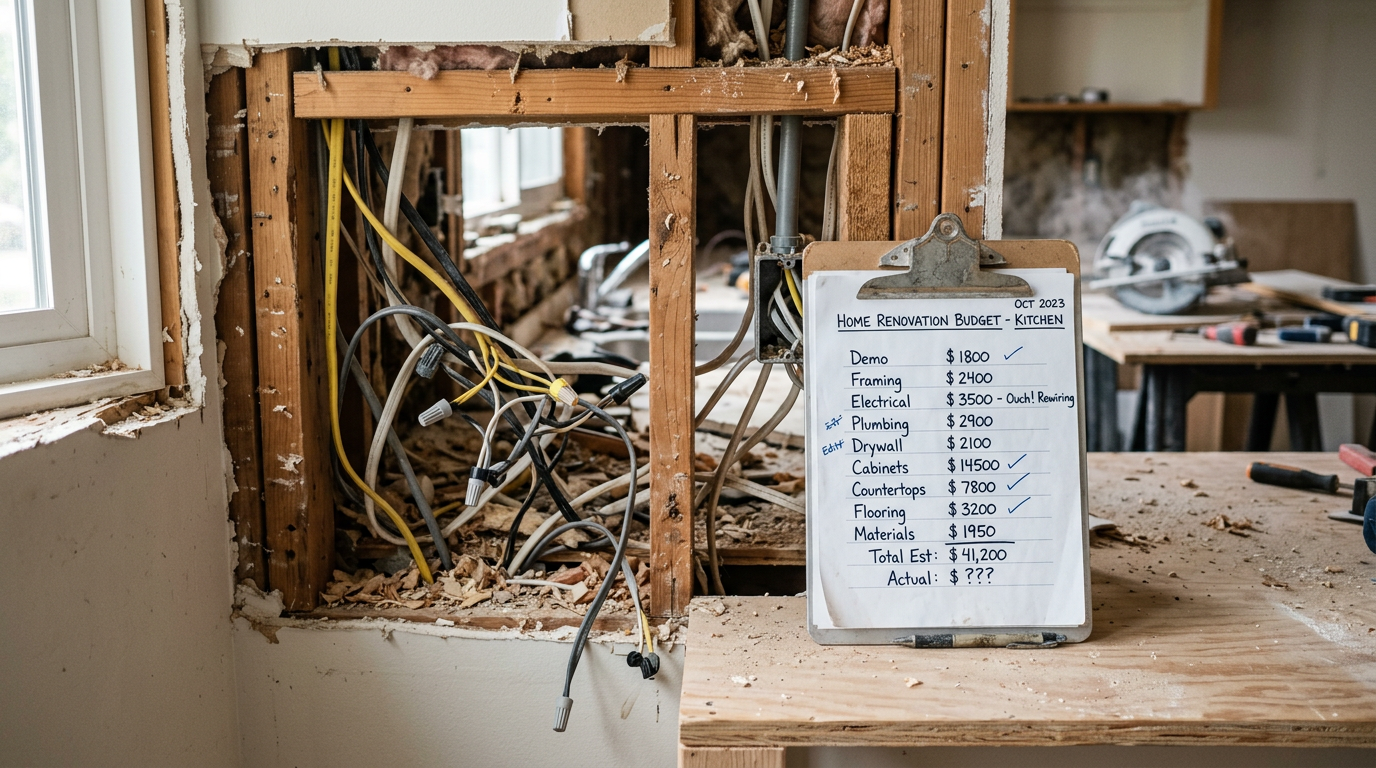
How do you handle unexpected damage or additional costs discovered mid-project? The answer tells you whether change orders will be put in writing or handled informally. Written is the only acceptable answer.
What are the payment terms, and do you require a deposit? A large upfront deposit before any work starts is a common warning sign. Standard practice is a partial deposit with the balance due when the job is done.
When to Run Through These Questions
Use the credential and identity questions before requesting quotes, so you don’t waste time on contractors who fail basic checks. Return to the warranty and contract questions before signing anything, to confirm that coverage terms, payment structure, and change order procedures are clearly defined. When comparing multiple contractors, run each one through the same set of questions. And if a contractor was referred by someone you trust, that’s not a substitute for independent vetting — run through the list anyway.
Before you reach the hiring stage, it also helps to know whether you actually need a full replacement or just a repair. Reviewing the key factors in deciding between roof repair and roof replacement will help you go into contractor conversations with a clearer picture of what you’re asking for.
Ask These Questions Before You Hire, Not After
The credential questions — licensing, insurance, bonding, physical address — are the highest-stakes filter and should come first. If a contractor clears those, move to experience, references, and material-specific knowledge. Save the warranty and contract questions for before you sign. Every question on this list points to something you can verify on your own: a certificate, a permit, a reference, an address. Run through them in order, and the right contractor will answer each one without hesitation.