Common Plumbing Issues Homeowners Ignore (And What They Cost You Later)
Most plumbing problems don’t announce themselves — they develop quietly behind walls, under floors, and inside fixtures until the damage is already significant. What follows covers the most commonly missed issues, what causes them, and what tends to go wrong when they’re left alone long enough to matter.
The Ten Problems Most Homeowners Miss
Some of these issues are invisible by nature. Others are visible but easy to rationalize. Both categories carry real consequences when ignored.
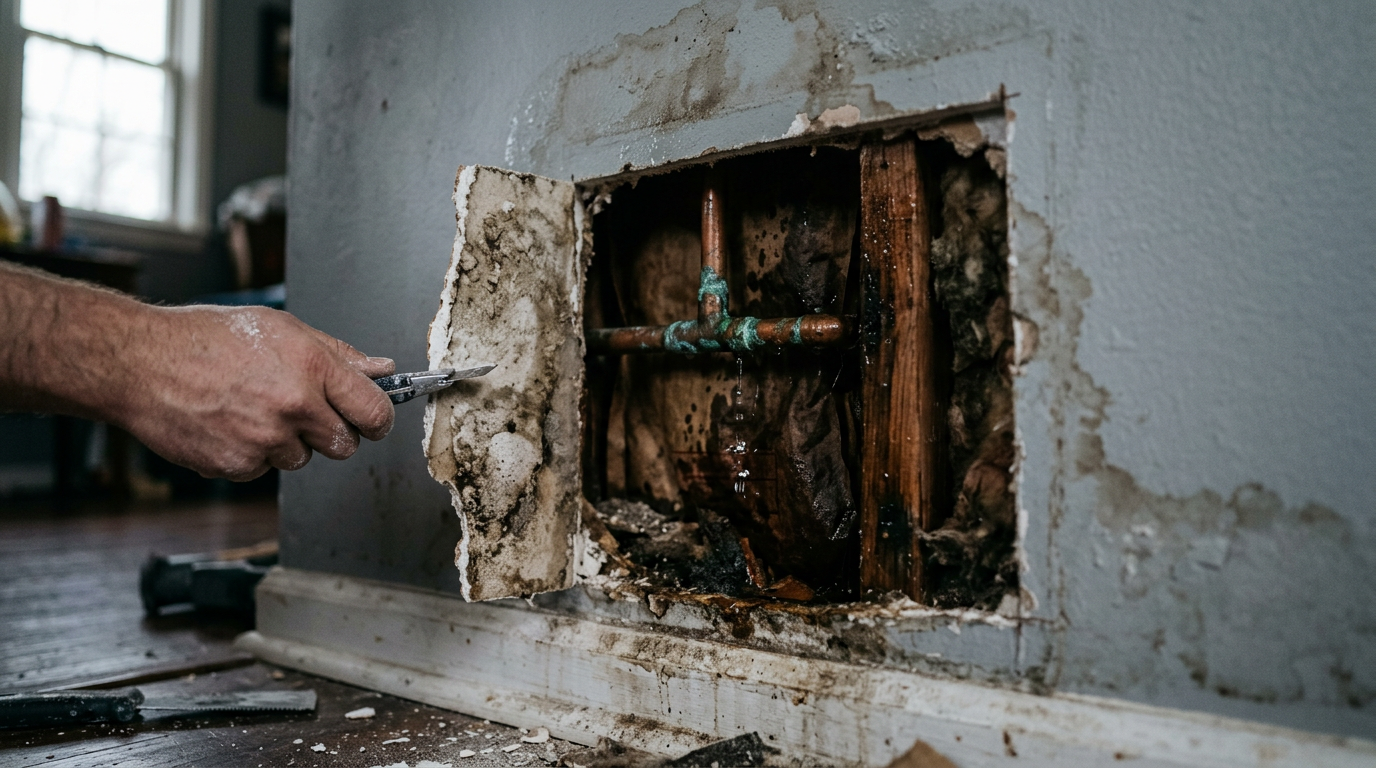
Slow leak inside a wall or ceiling. There’s no drip, no puddle — just a faint water stain or a musty smell that most homeowners chalk up to humidity. Left alone, concealed leaks rot framing, feed mold growth, and can compromise structural integrity before the damage becomes visible.
Corroding galvanized or copper pipes. Pipe corrosion develops slowly behind walls and under floors with no obvious sign until a pipe fails or water quality drops. By the time you see rust-colored water or notice reduced flow, the deterioration is usually widespread and expensive to fix.
Slow-moving drains. A drain that takes longer than usual to clear is telling you there’s a partial blockage that will get worse. Left long enough, partial blockages become full clogs, create backpressure, and can damage drain lines or cause sewage backup. If you want to address this yourself before it escalates, learn how to unclog a drain naturally using methods that work on common blockages.
Inconsistent or low water pressure. Pressure that fluctuates or gradually drops is one of the most overlooked warning signs in a home. Most homeowners adjust their habits instead of investigating the cause. The problem could be a failing pressure regulator, a hidden leak, or early-stage pipe corrosion — all of which get worse without intervention.
Running toilet. A toilet that runs on and off (or constantly) wastes hundreds of gallons a month and adds real money to your water bill. Most homeowners treat the sound as background noise. The flapper or fill valve causing it costs under $20 to replace, but the water waste adds up every day until it does.
Water heater sediment buildup. Sediment accumulates at the bottom of tank water heaters over time, cutting efficiency and making the unit work harder. The warning sign is a popping or rumbling sound during heating cycles. Ignored, it shortens the heater’s lifespan and can lead to premature tank failure.
Pinhole leaks in copper supply lines. Pinhole leaks are small enough to go unnoticed for months, often showing up only as slight discoloration on a pipe or faint dampness on a nearby surface. Over time, they cause hidden water damage and signal that the surrounding pipe section is deteriorating and likely to fail in multiple spots.
Faulty or absent pressure relief valve on water heater. The pressure relief valve is a safety component most homeowners never inspect. A valve that’s corroded, stuck, or missing entirely creates a real risk of tank rupture under excess pressure. There’s no visible warning sign until the failure happens.
Leaking supply line connections under sinks. The braided supply lines connecting shut-off valves to faucets and toilets are a common failure point that most homeowners never check. A slow seep at the connection fitting can go undetected inside a cabinet for months, soaking the cabinet floor and subfloor before anyone notices.
Tree root intrusion in sewer lines. Root intrusion shows no above-ground symptoms in its early stages. Drains may slow slightly, but the cause is invisible without a camera inspection. Left alone, roots expand inside the pipe, cause full blockages, and can fracture the sewer line entirely — turning a manageable repair into a full excavation job.
Hidden Problems vs. Dismissed Problems
The ten issues above split into two distinct categories, and the distinction matters for how you respond to them.
The first group — concealed wall leaks, corroding pipes, pinhole leaks, root intrusion, and a faulty pressure relief valve — produces no surface symptom until damage is already advanced. You can’t monitor what you can’t see, which means these require scheduled inspection rather than a reactive response to something going wrong. The pressure relief valve is the starkest example: it either works or it doesn’t, and there’s no warning sign either way.
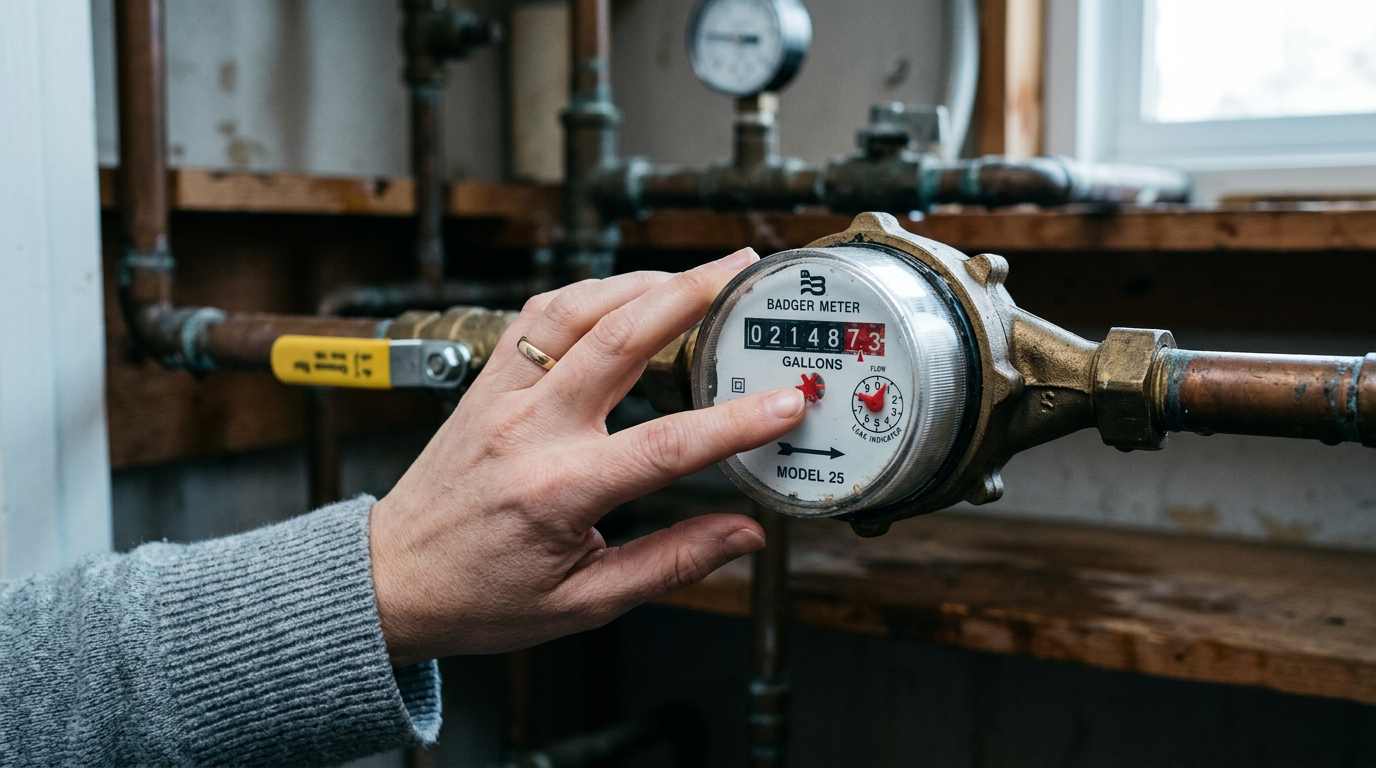
The second group — slow drains, inconsistent water pressure, a running toilet, sediment buildup, and leaking supply line connections — is different. The warning sign is already there. What gets ignored is the consequence of leaving it unaddressed. These are problems homeowners notice and set aside, often because the symptom seems minor. It rarely stays that way. Understanding how to detect a water leak in your home can help you confirm whether a symptom like a pressure drop or unexplained moisture is pointing to something more serious.
Acting on What You Notice Before It Compounds
This breakdown is useful in a few specific situations: you’ve noticed a minor symptom — a slow drain, a pressure drop, an unfamiliar sound — and want to know whether it warrants action; you’re doing a routine walkthrough and want a reference for what to actually look for; or you’re preparing for a home sale or inspection and need to identify problems that could surface during the process. A seasonal home maintenance checklist gives you a structured way to inspect plumbing and other systems on a regular schedule so these issues don’t go undetected between problems.
Why Concealed Leaks, Corroding Pipes, and Root Intrusion Carry the Highest Urgency
Hidden problems carry the most urgency because there’s no visible symptom to monitor — by the time one appears, the damage is already compounding. Prioritize scheduling inspections for concealed leaks, pipe corrosion, pinhole leaks, and sewer lines if they haven’t been checked recently. For dismissed problems, the warning sign is already present: a slow drain, a running toilet, or a rumbling water heater is telling you something. Act on it before the repair cost reflects how long it was ignored. The pressure relief valve warrants proactive inspection above all else — it gives no warning before it fails.