Minor updates consistently outperform major renovations in ROI — sometimes by 40 percentage points. The twelve projects below span four categories — kitchen, bathroom, curb appeal, and energy efficiency — and every return figure comes from cost-vs-value data.
ROI by Project, Ranked
The numbers below reflect what each project typically recoups at resale. Scale and scope matter more than most homeowners expect: in several categories, the more expensive renovation returns significantly less per dollar spent. Learn more about home renovations.
Manufactured Stone Veneer (Exterior) — Recoups approximately 153% of cost. A curb appeal improvement applied to part of the exterior facade.
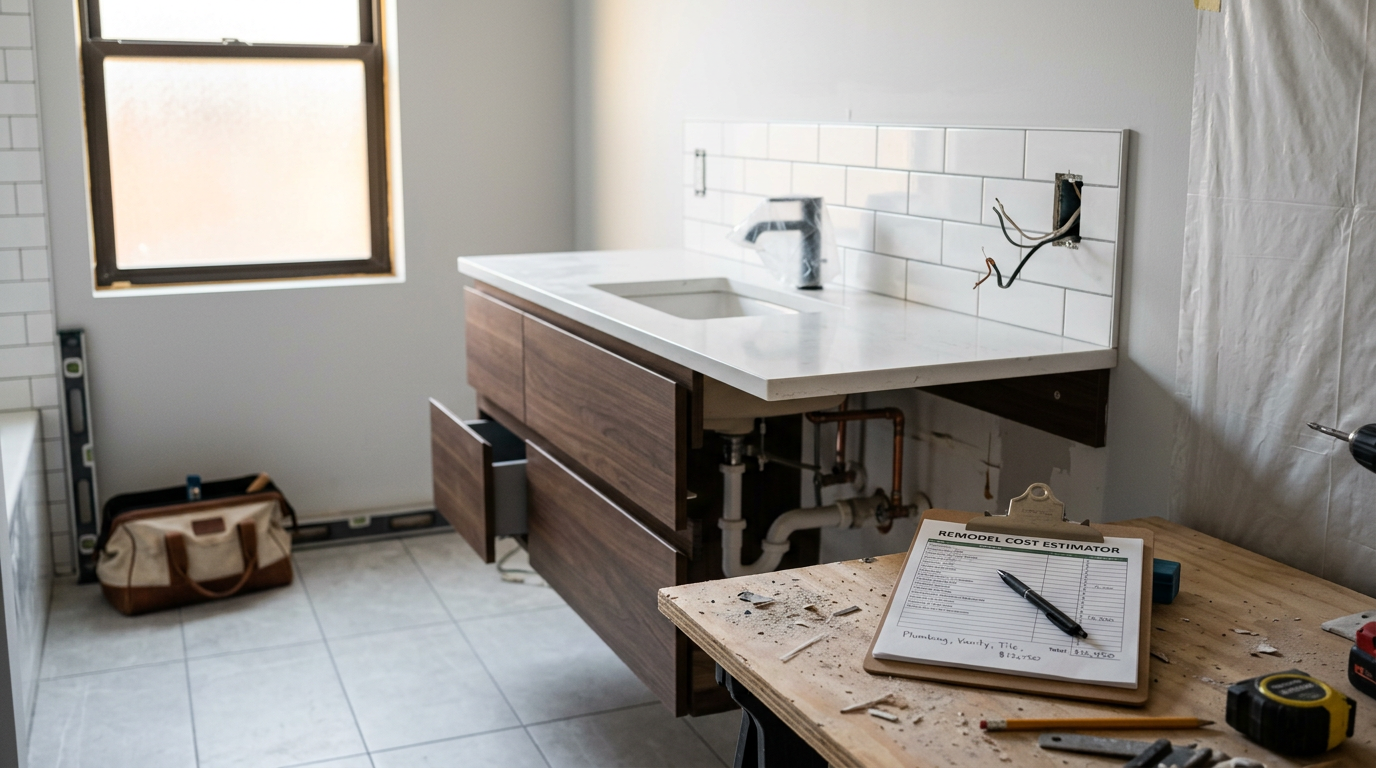
Minor Bathroom Update — Recoups approximately 102% of cost. Covers fixture replacement, re-grouting, vanity swap, and fresh finishes without layout changes.
Attic Insulation (Fiberglass or Cellulose) — Recoups approximately 100% of cost. An energy efficiency upgrade with minor structural scope; utility savings factor into perceived value.
Minor Kitchen Remodel — Recoups approximately 96% of cost. Covers cabinet refacing, new hardware, updated fixtures, and fresh paint rather than structural changes.
Garage Door Replacement — Recoups approximately 94% of cost. One of the highest-returning single projects in national cost-vs-value data.
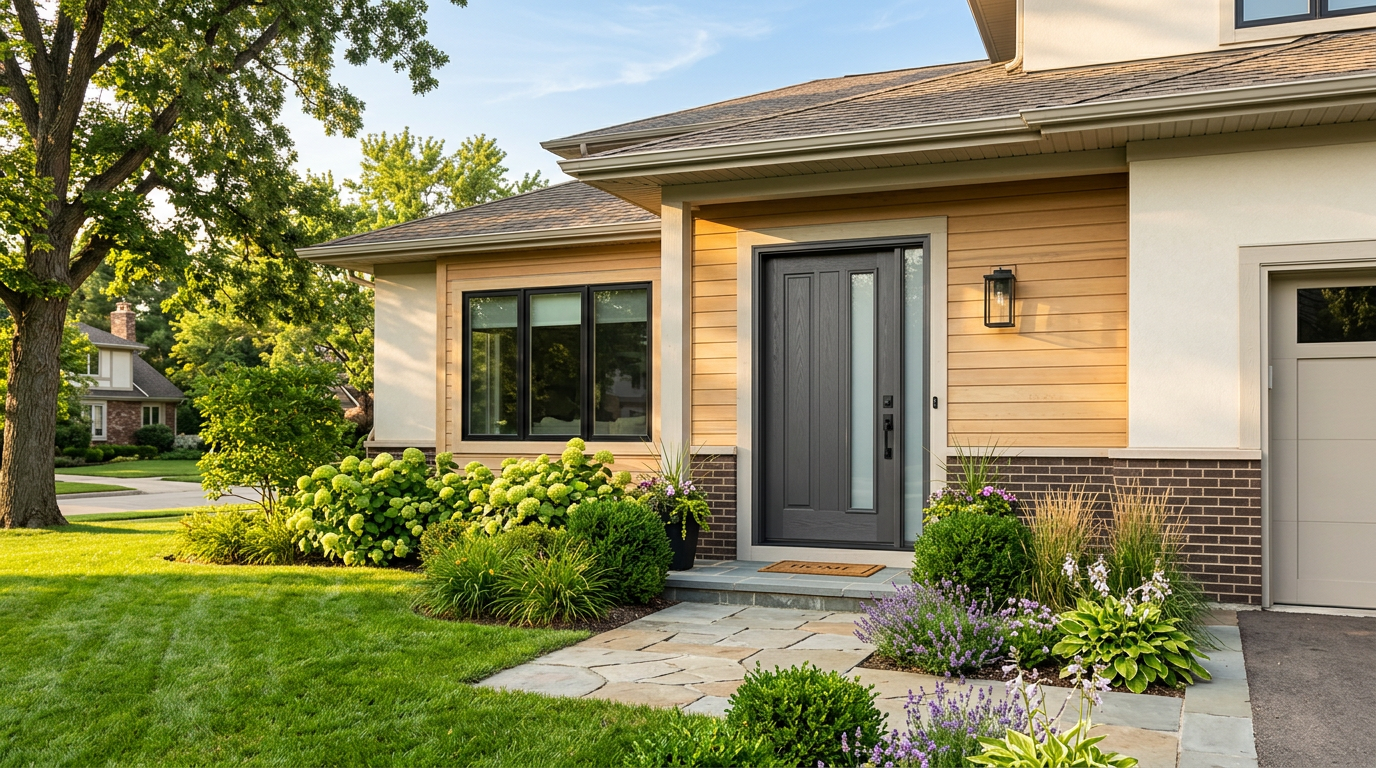
Entry Door Replacement (Steel) — Recoups approximately 88% of cost. A minor exterior upgrade with low project cost relative to return.
Deck Addition (Wood) — Recoups approximately 82% of cost. A mid-range project with broad buyer appeal across most markets.
Window Replacement (Vinyl) — Recoups approximately 69% of cost. Contributes to both energy efficiency and curb appeal through utility savings and exterior appearance.
Major Kitchen Remodel — Recoups approximately 54% of cost. Involves layout changes, new cabinetry, and appliances — a significantly lower return than a minor kitchen update despite the higher investment.
Bathroom Addition — Recoups approximately 54% of cost. Adds functional square footage but returns less per dollar spent than minor bathroom updates.
Landscaping and Lawn Care — Adds an estimated 5–12% to overall home value. Low-to-moderate cost with strong influence on buyer first impressions.
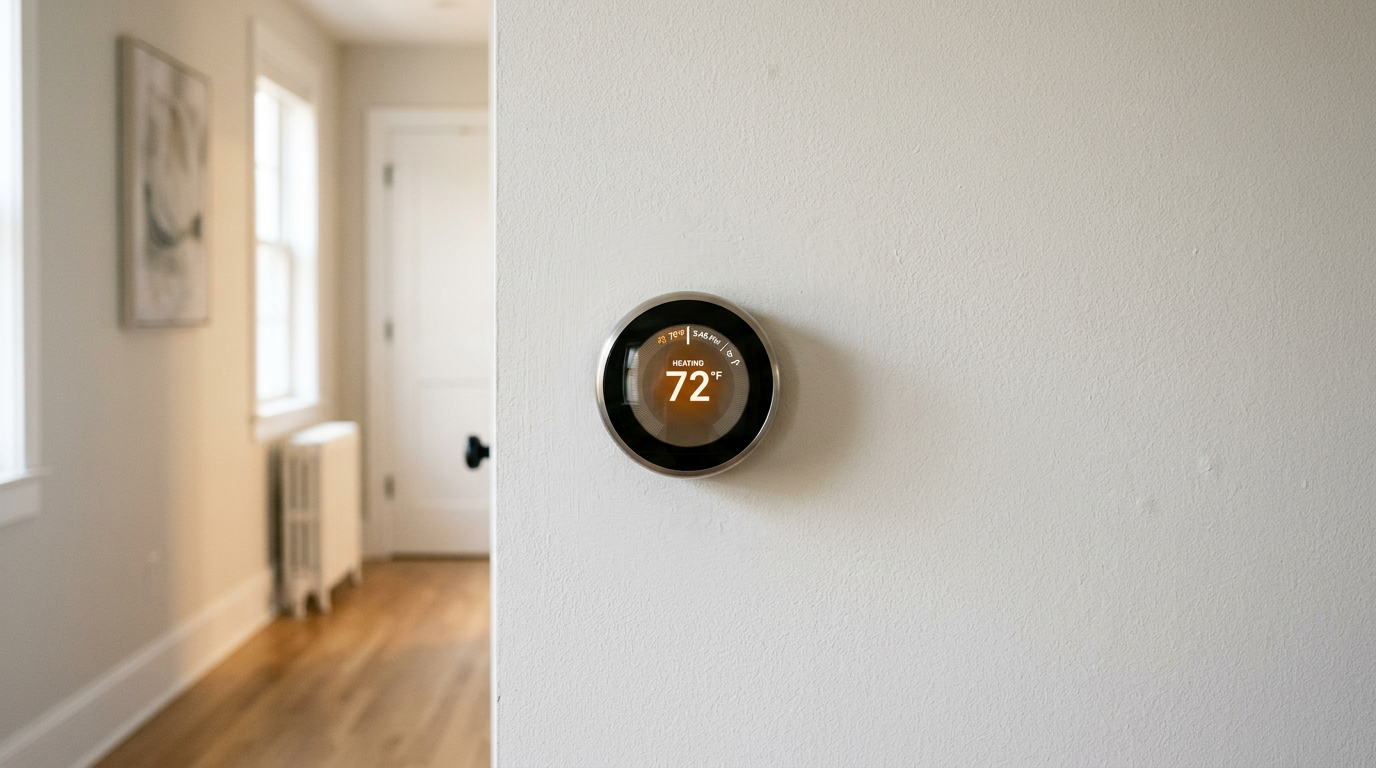
Smart Thermostat Installation — Adds measurable appeal in energy-conscious buyer segments. Project cost is typically under $300 installed; documented utility savings support the asking price in efficiency-focused markets.
Why Project Scale and ROI Move in Opposite Directions
The minor-versus-major distinction is the most important pattern in this data. A minor kitchen remodel recoups roughly 96%; a major kitchen remodel recoups roughly 54%. A minor bathroom update recoups roughly 102%; a bathroom addition recoups roughly 54%. In both categories, the larger investment produces the lower return. If you’re weighing the scope of a bathroom project before committing to a budget, understanding the difference between a bathroom remodel and a renovation can help you avoid over-investing for the return you’re targeting. Bigger scope does not translate to bigger resale recovery — and in several cases, it actively works against it.
How ROI Varies Within the Curb Appeal and Energy Efficiency Categories
Curb appeal has the widest internal range of any category. Manufactured stone veneer recoups approximately 153%, while landscaping adds 5–12% to overall value. Project selection within this category has more impact on outcome than in any other.
Energy efficiency upgrades serve different resale profiles depending on timeline. Attic insulation, at roughly 100% recoup, is the stronger choice for near-term resale. Vinyl window replacement, at roughly 69%, offers a dual utility-and-appearance benefit that builds value over a longer ownership horizon. For a broader look at efficiency improvements that support both utility savings and buyer appeal, see this guide on ways to make your home more energy efficient.
Matching Projects to Your Goal
If maximum ROI is the priority, the strongest performers are manufactured stone veneer (~153%), minor bathroom update (~102%), attic insulation (~100%), minor kitchen remodel (~96%), and garage door replacement (~94%). Major kitchen remodel and bathroom addition rank at the bottom of this framing.
If you’re preparing to sell, curb appeal projects — garage door replacement, steel entry door replacement, manufactured stone veneer, and landscaping — combine well with minor kitchen and bathroom updates. Together, they address exterior perception and interior move-in readiness.
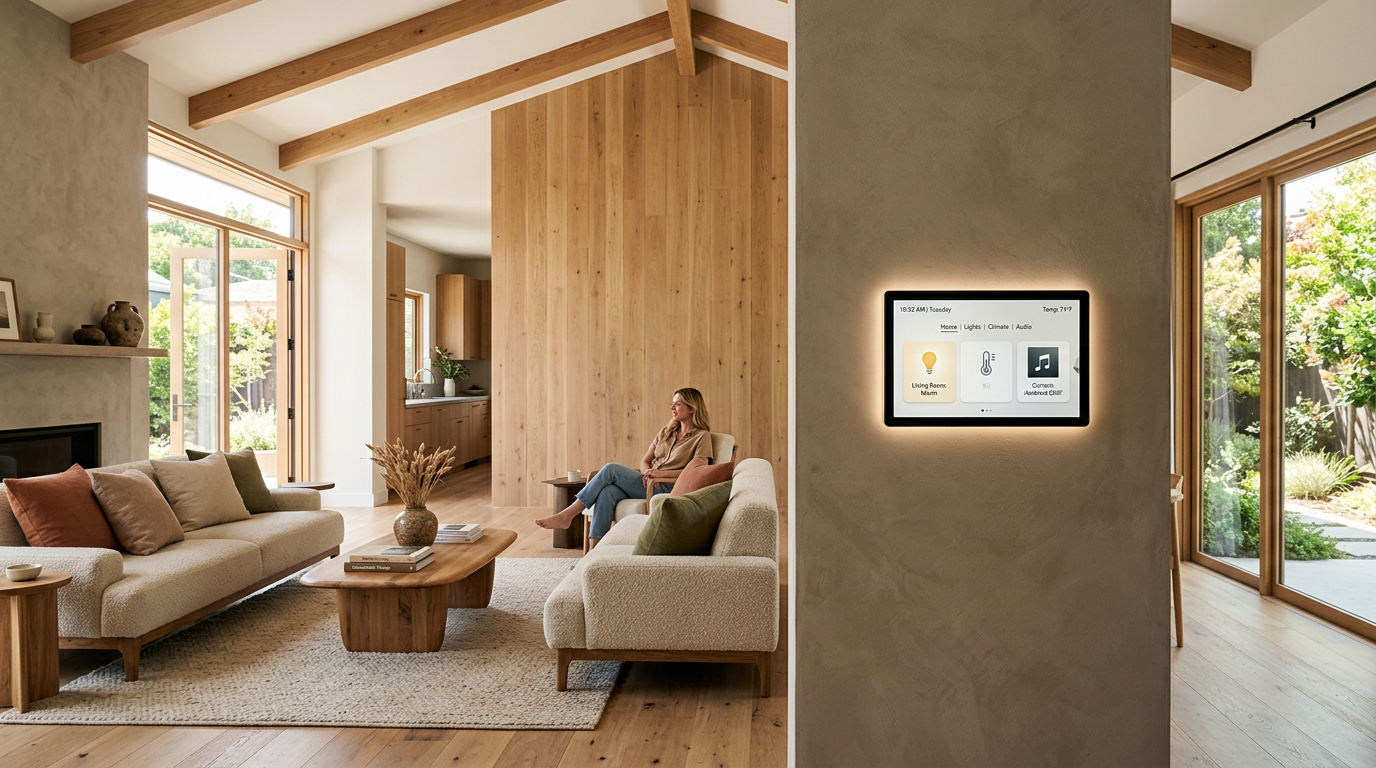
If you’re not selling soon, attic insulation, vinyl window replacement, and smart thermostat installation are the most relevant choices. Smart thermostats in particular are covered in detail in this breakdown of smart home upgrades that are actually worth the investment. Their value accumulates through utility savings and sustained buyer appeal over time.
Choosing the Right Project Before a Sale or Appraisal
The scale of a project and its ROI frequently move in opposite directions — that’s the clearest decision-making signal in this data. For near-term resale, prioritize minor kitchen and bathroom updates alongside curb appeal projects, particularly manufactured stone veneer and garage door replacement. For longer ownership, attic insulation and vinyl window replacement build value steadily. Start by identifying your timeline, then match projects to the ROI tier that fits it.