Making your home more energy efficient comes down to a mix of small, easy fixes and bigger structural upgrades. The improvements below are ordered by cost and complexity — from things you can do today for almost nothing to larger investments that address the home’s structure and systems.
No-Cost and Low-Cost Fixes
The fastest wins require little money and no professional help. Setting your water heater to 120°F takes a few minutes and no tools, and it lowers energy use without reducing your hot water supply. Swapping incandescent or CFL bulbs for LEDs cuts lighting energy use by up to 75%, and you can do it one room at a time. Replacing HVAC air filters every one to three months keeps the system running efficiently and reduces strain on the motor — pair that with a professional HVAC tune-up once a year to extend the system’s life.
Air sealing with caulk and weatherstripping fits in this category too. Sealing gaps around doors, windows, and other openings stops conditioned air from escaping and outside air from getting in, and can cut heating and cooling costs by up to 20%. For exterior doors specifically, a door sweep — which seals the gap between the door bottom and the threshold — blocks one of the most common spots for air leakage for just a few dollars per door.
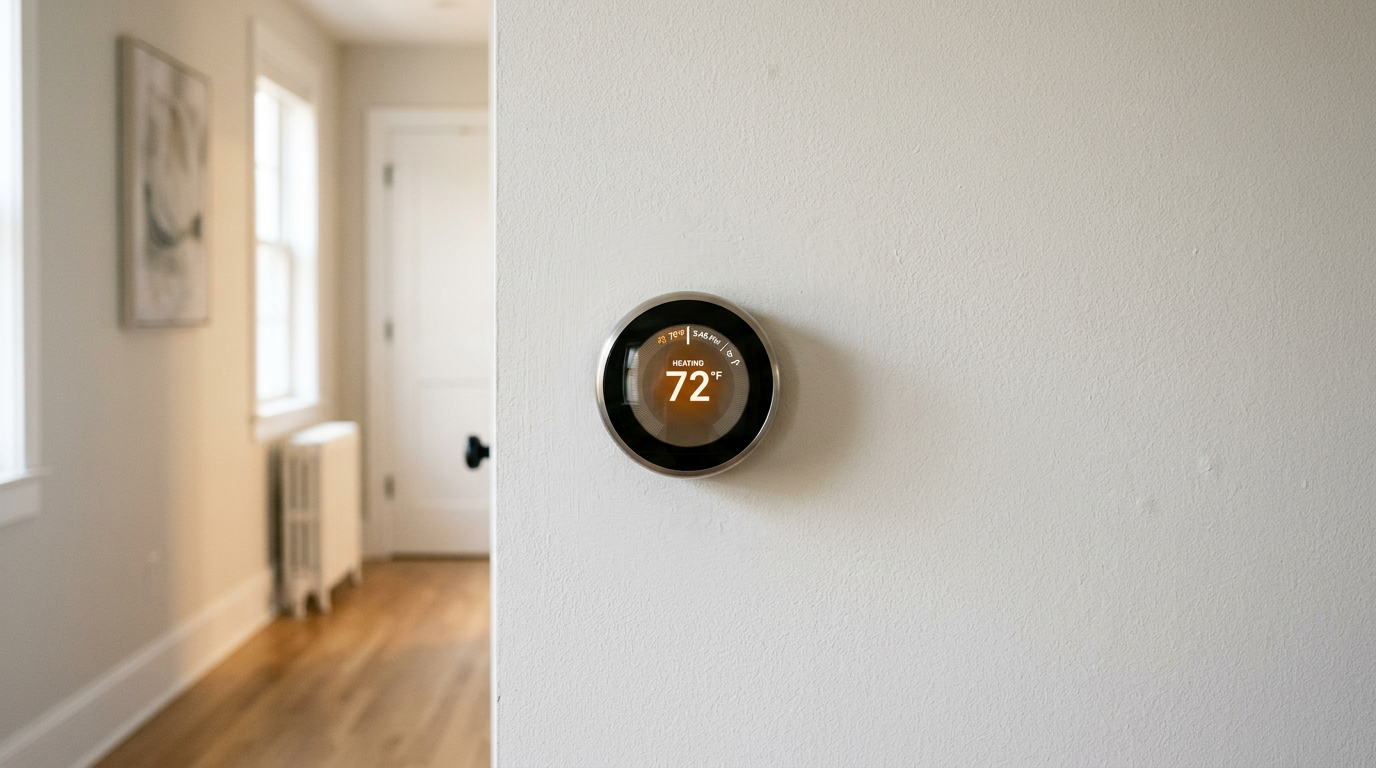
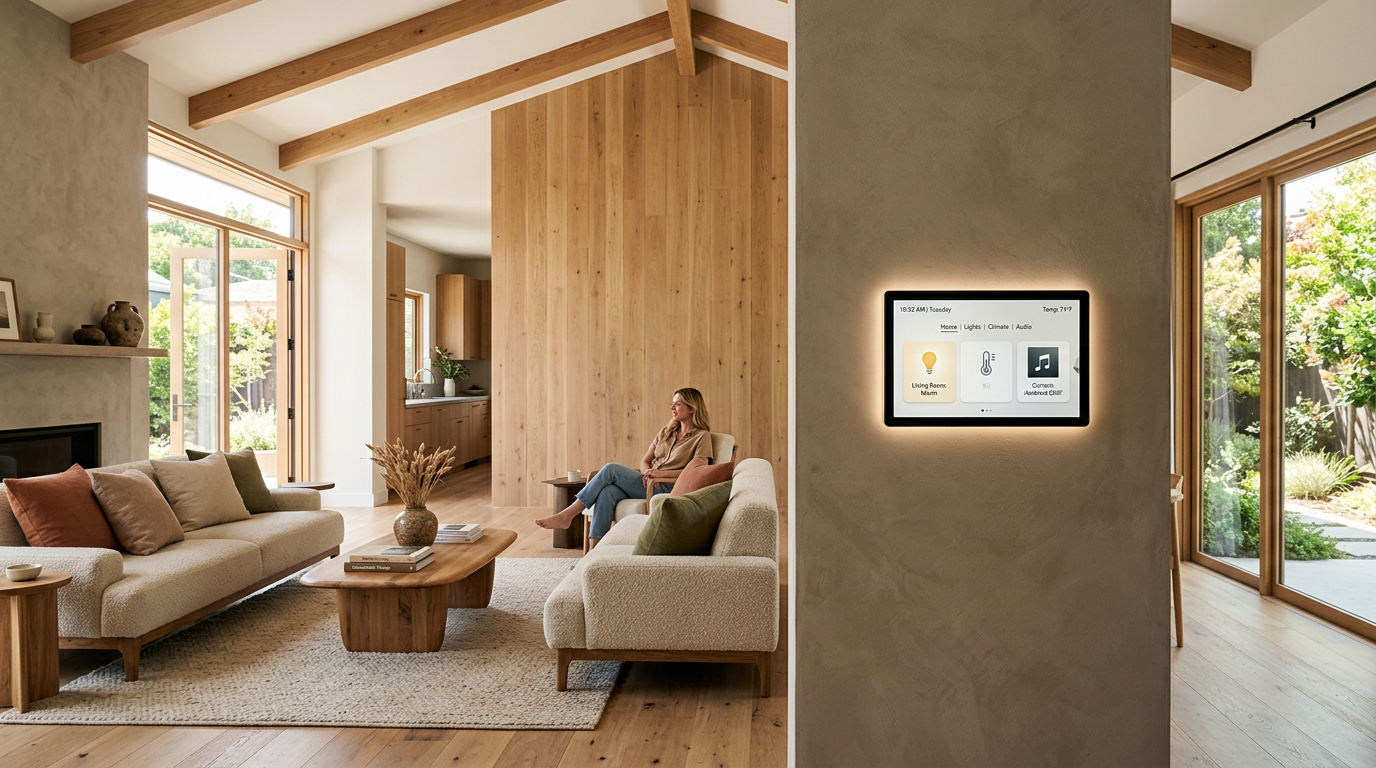
A programmable or smart thermostat rounds out the low-cost options. It automatically dials back heating or cooling when no one’s home or during overnight hours, and most people can install one themselves in under an hour.
Structural and System-Level Upgrades
The bigger investments address energy loss at the building level and deliver lasting reductions in heating and cooling costs — which account for the largest share of home energy use in most households.
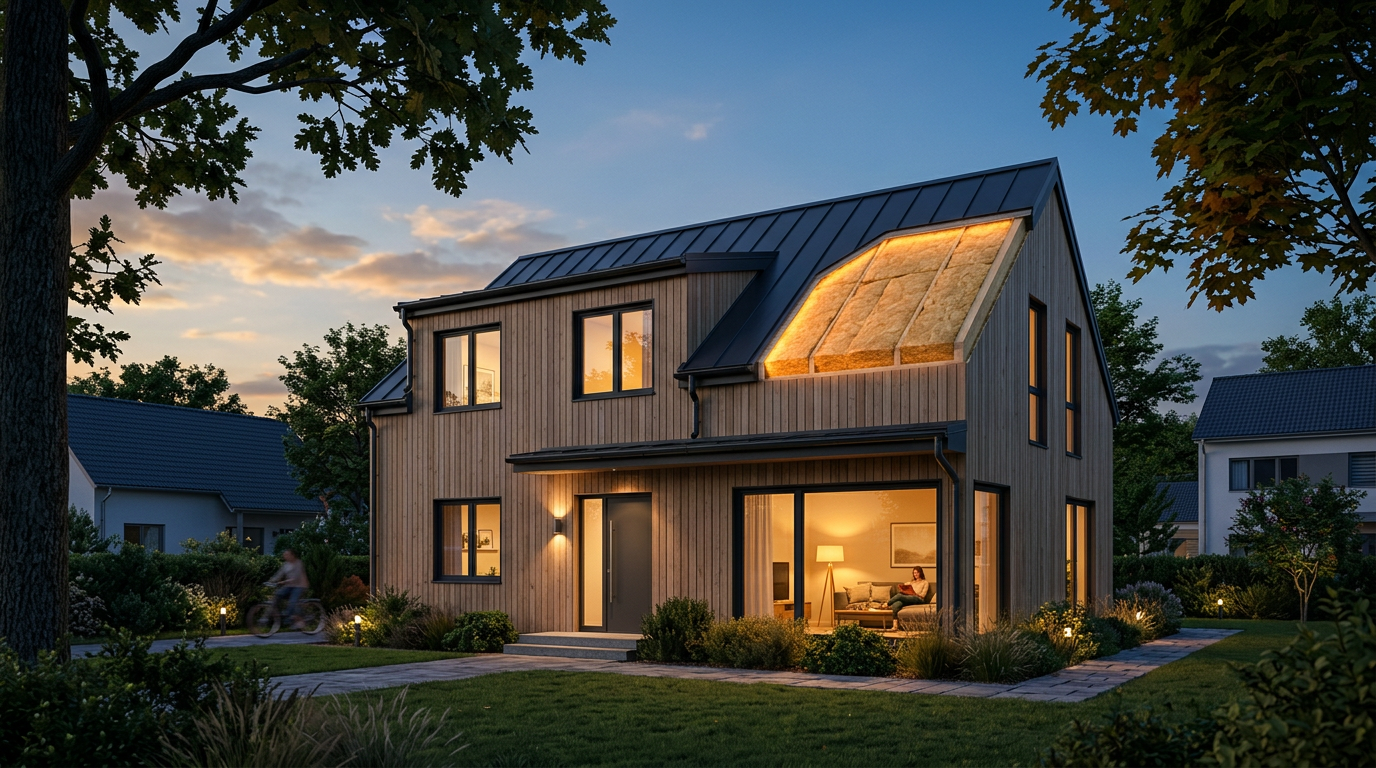
Insulation in the attic, walls, and crawl spaces slows heat transfer between inside and outside, reducing how hard your HVAC system has to work year-round. Attic insulation in particular is one of the highest-impact upgrades available, and it often qualifies for energy efficiency tax credits. Related to this, leaky ductwork can lose 20 to 30% of conditioned air before it reaches your living spaces. Sealing duct joints with mastic sealant or metal tape and wrapping ducts in unconditioned spaces eliminates that loss directly.
Upgrading to double- or triple-pane windows with low-emissivity coatings, along with properly sealed door frames, reduces heat gain in summer and heat loss in winter. This is a higher-cost upgrade, but it targets energy loss at the building envelope. The largest single investment is replacing an aging furnace, heat pump, or central air unit with a high-efficiency model — ENERGY STAR rated, with a high SEER or AFUE rating. If you’re weighing the costs, a guide on whether to repair or replace your HVAC system can help you decide when full replacement makes financial sense. The upfront cost is significant, but because heating and cooling dominate home energy use, the long-term impact is real.
Air sealing and insulation are worth singling out here: they affect both heating and cooling loads year-round, making them the highest-impact structural upgrades for homes in climates with large seasonal temperature swings.
Where to Start Based on Your Budget
If you want to reduce energy use without spending much, begin with air sealing, LED lighting, water heater temperature adjustment, and HVAC filter changes. Each costs little or nothing and requires no professional help. If you’re planning larger improvements, focus on insulation, ductwork sealing, window and door upgrades, and HVAC replacement — these address the main sources of energy loss in most homes. For a broader look at which projects deliver the strongest return, see this overview of home improvements that add the most value.
Layering Improvements Over Time
Budget is the clearest guide to where to start, but the most efficient homes layer these improvements together. Air sealing and insulation work in tandem all year, and the savings from low-cost fixes build the case for larger investments like insulation or window replacements. Start with what your budget allows — LED bulbs, a door sweep, a thermostat — then plan the structural upgrades as a next phase. Each improvement builds on the last, and none of them requires completing the others first.